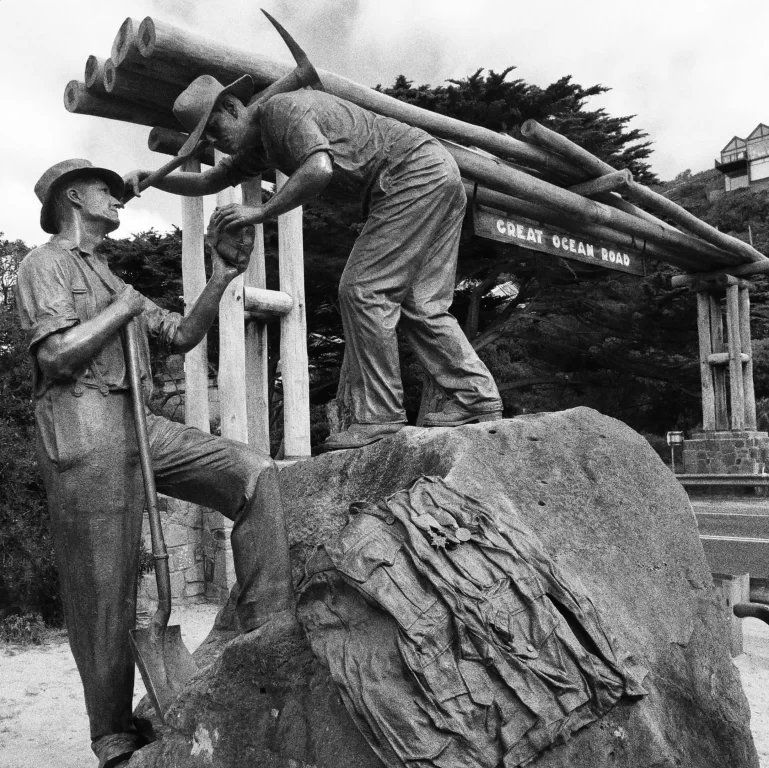
The Great Ocean Road is one of the world’s most beautiful roads, attracting thousands of visitors each year with its incredible views, stunning ocean scenery, and stacks of limestone like the Twelve Apostles. But beyond the natural beauty and southwest coast landscapes is a deeper story one of remembrance and resilience. This amazing road is more than a tourist road it’s the biggest war memorial on Earth, a stretch of road that honours the sacrifices of Australian soldiers after World War I.
Many people travel this stunning coastline on a day tours Great Ocean Road from Melbourne, which gives them enough time to see the sights and the story behind them.
The Story
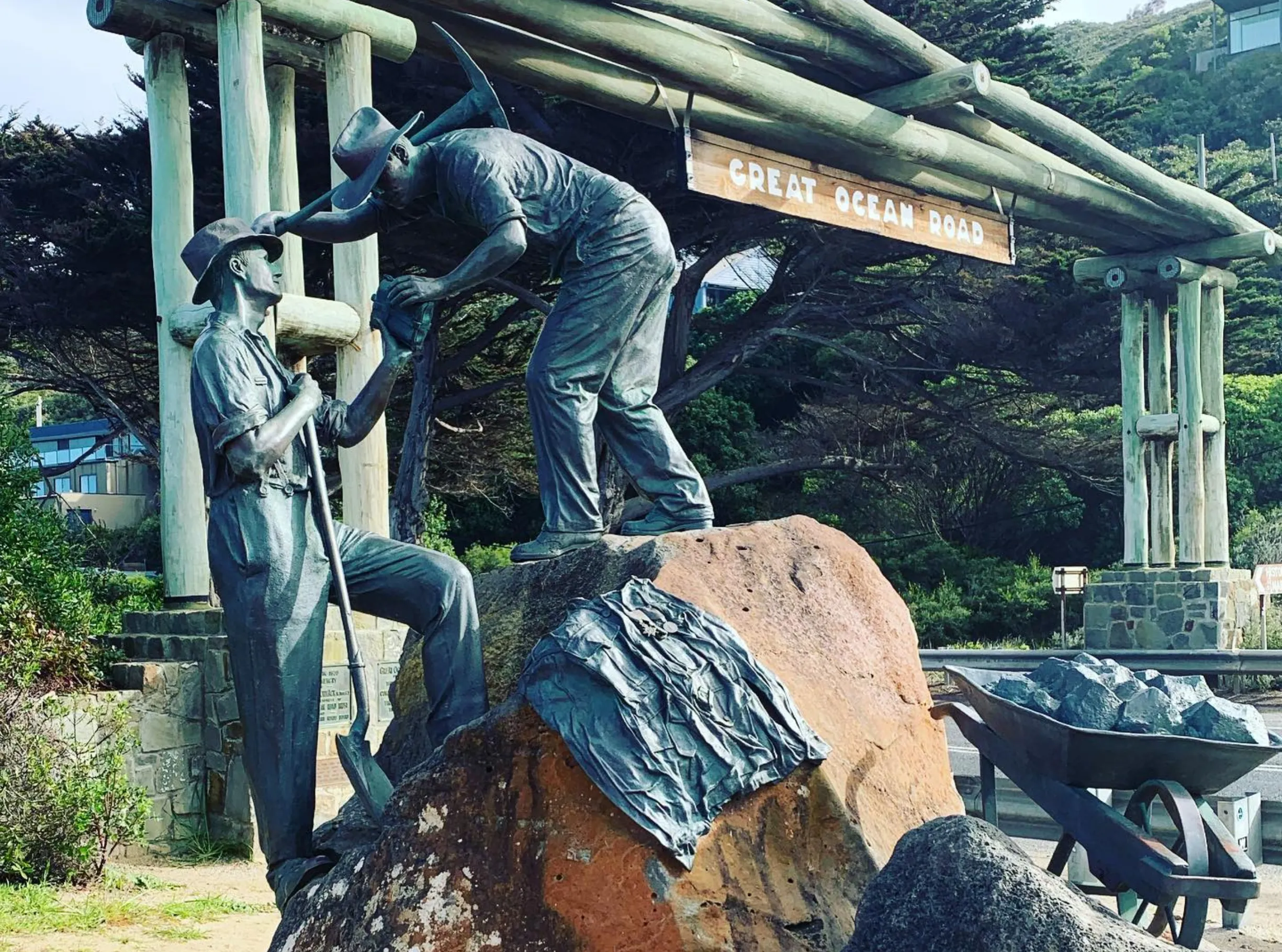
The Great Ocean Road project started in 1919, not as a government project, but as a community-driven initiative. It was built by a brigade of soldiers returning Aussie soldiers from World War I who took on the task of building the road through tough terrain, wilderness, and along cliffs, mountains and coastline.
The road was proposed by William Calder, the chairman of the Country Roads Board, and supported by Victoria’s Lieutenant Governor Sir William Irvine. Funding was raised through private subscription, making it a rare example of a practical memorial a concrete reality that served both purpose and memorial.
The workers, many of whom had heart disease, war injuries or trauma, worked in bad weather, heavy rain and perilous times. There are stories of men working up to 10 hours a day, with anecdotal evidence of barrels of beer being supplied to lift morale. They slept in nearby campsites, ate under communal dining marquees, and battled accessibility barriers and weather to build a road along the southern coast of Australia.
The road was opened in 1932 and became a permanent memorial to the fallen soldiers. Not only did it give employment to veterans, but it connected isolated towns and supported local industries like the timber industry.
Why It’s a War Memorial
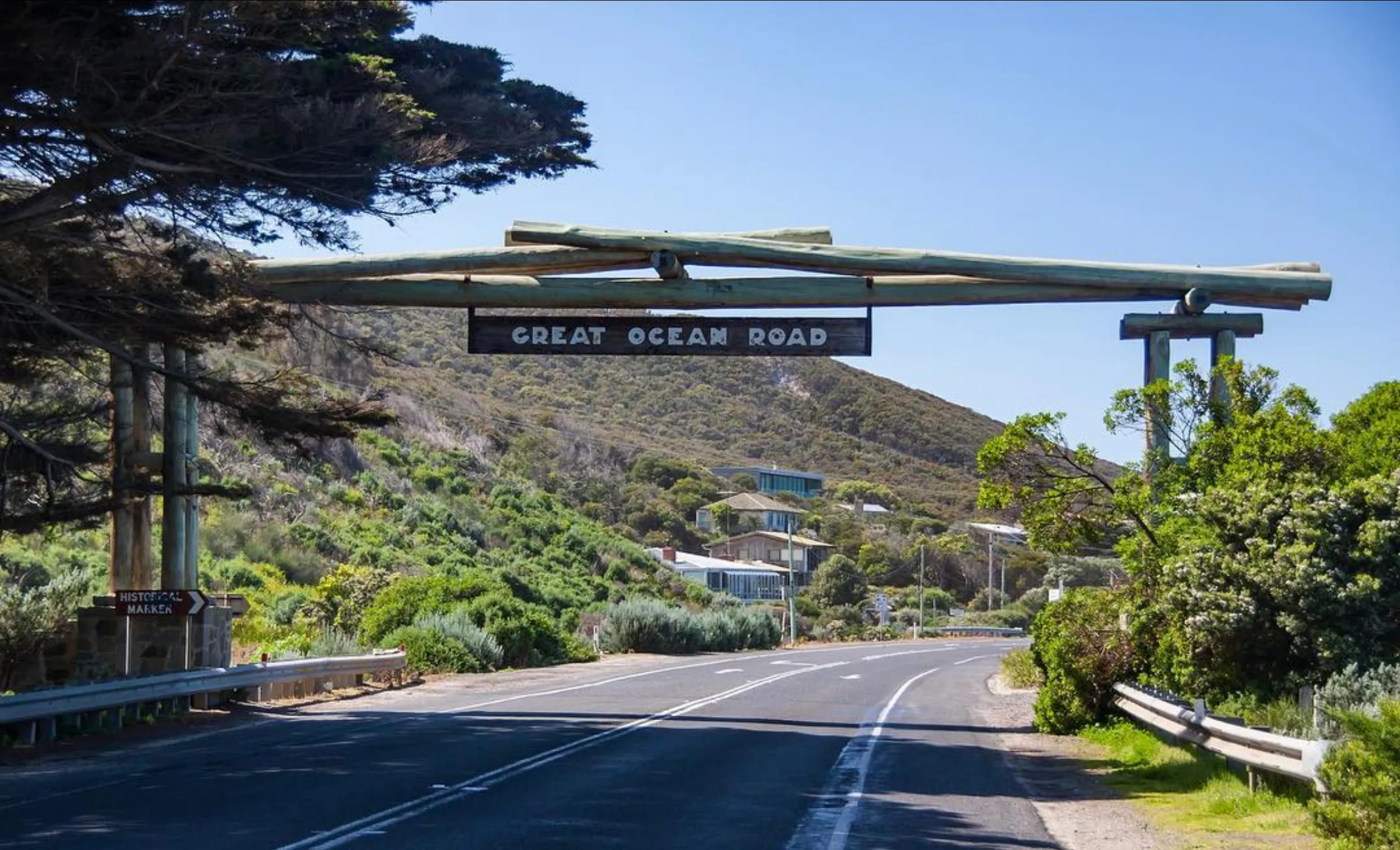
Not a stone cenotaph or statue, the Great Ocean Road is a practical memorial – a road that serves an actual ongoing purpose. It was designed to be a permanent memorial to those who died in World War I. What sets it apart from other big war memorials in the world is that it was built by the people it was meant to honour—Australian soldiers themselves.
This tough drive is the embodiment of the Aussie spirit – resilient, community driven and forward thinking. It’s not just a tribute to the past but part of the daily lives of travellers exploring the southeast coast of Victoria.
Many visitors join a Melbourne day tour to experience this historical route and pay their respects at key memorial sites while taking in the stunning coastline.
See Memorial Elements Along the Great Ocean Road
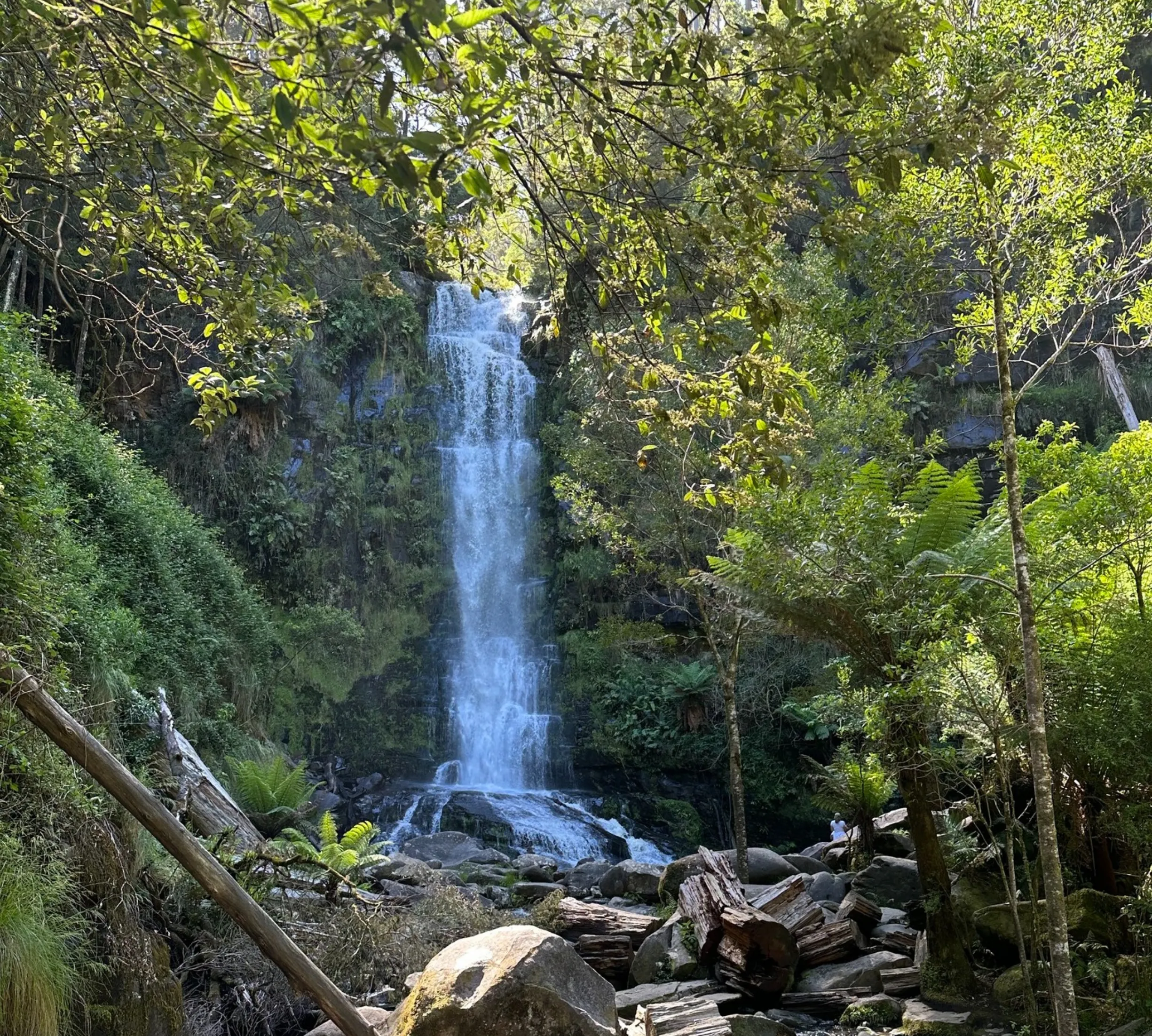
While the whole 243km from Torquay to Allansford is a memorial, there are specific points to highlight its significance:
- Memorial Arch at Eastern View: One of the most iconic landmarks along the road, the Memorial Arch commemorates the soldiers who built the road. A statue of two workers, a plaque and signage explain its meaning.
- Mount Defiance & Cathedral Rock: These spots offer breathtaking views and are steeped in history, with scenic pullouts and interpretive signs.
- Aireys Inlet and Split Point Lighthouse: These coastal gems have rocky cliffs, limestone cliffs and historical sites.
- Apollo Bay: Once a hub of the timber industry, Apollo Bay has grown into a tourist hotspot but its historical roots remain.
- Cape Otway National Park & Cape Patton: These points offer aerial views of the coastline where you can truly get a sense of the project and its context in the post-war era.
- Historic towns like Lorne, Barwon Heads and Grassy Creek also have museums and tributes to the road’s origins.
Of course, no visit is complete without stopping at the Twelve Apostles, a highlight of any 12 Apostles tour day tours offered from Melbourne and other surrounding towns.
Why It Matters to Travellers Today
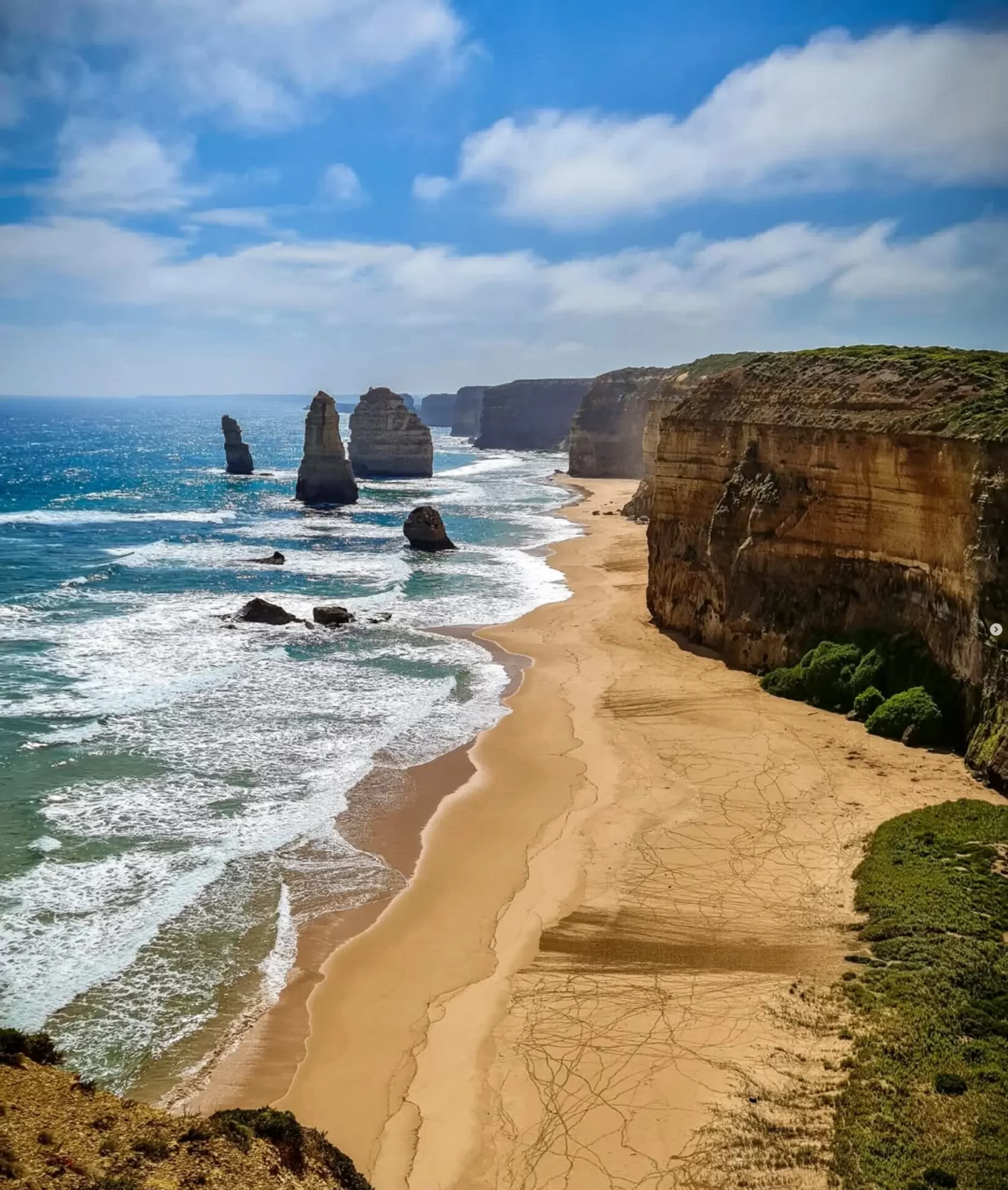
For most the Great Ocean Road is about coastal views, beach lovers and the smoothest ride through rural scenery and rocky coastline. But learning its history adds depth to your trip.
Understanding the actual event—thousands of men built this long drive from the cliffs in memory of their fallen mates—turns a beautiful road trip into an emotional experience. It shows what a nation can do with grief to connect coastal towns, bridge access issues and celebrate life.
Modern accessibility improvements have made the road more inclusive but mobility access for people with disabilities is still a challenge in some of the rougher sections.
Planning Your Trip
Here are some quick tips to make the most of your trip:
- Start at Torquay, near Bells Beach and head west for the best ocean views.
- Visit the Memorial Arch early to avoid the crowds and appreciate its significance.
- Make time for the historic towns of Lorne, Apollo Bay and Port Campbell.
- Look out for the natural wonders of the Twelve Apostles, Gibson Steps and Loch Ard Gorge.
- Be careful driving a solo car—sharp turns and barriers can make the scenic drive tricky in some places.
- Pack for wild weather, especially in winter water during storms can splash over the cliffs and roads.
If you’re short on time a Melbourne day tour or a Great Ocean Road tour from Melbourne is a great way to see the highlights and understand the meaning behind this epic road.
Conclusion
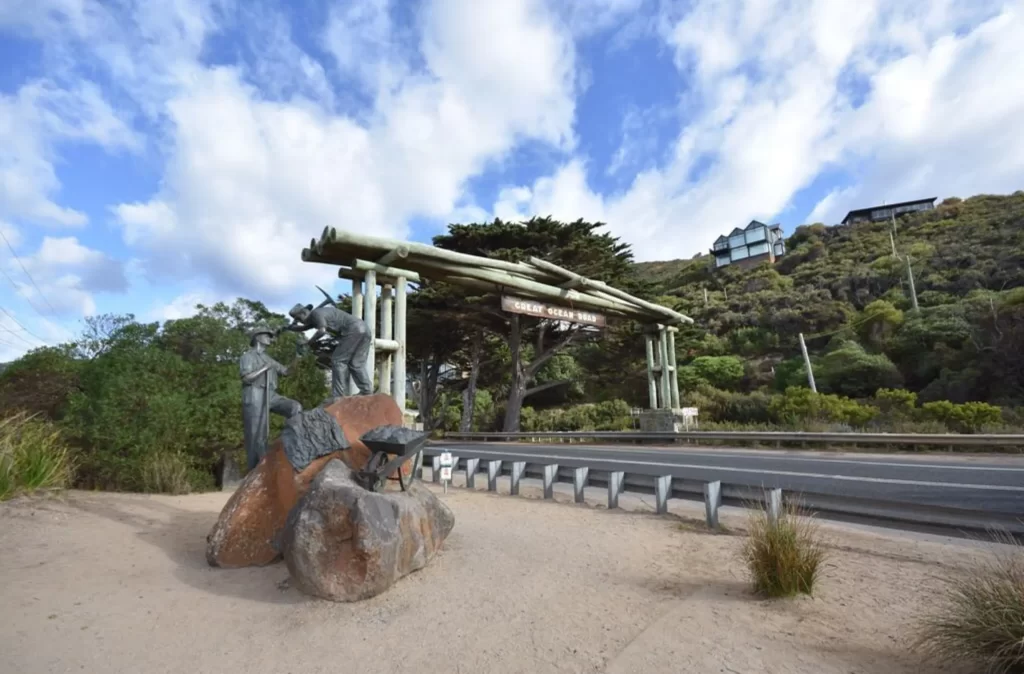
The Great Ocean Road is not just a beautiful drive along the Victorian coast it’s a heartfelt tribute to a generation of Aussie soldiers. Its creation from hardship, war and unity shows the strength of the Australian society and the enduring nature of the Australian community. From coastline with stunning views to historic shipwrecks, Must-see it’s one of the most iconic and meaningful drives in the world.
FAQ
Why is the Great Ocean Road a war memorial?
Because it was built by Aussie soldiers as a tribute to their fallen mates in World War I, it’s the biggest war memorial in the world.
Who designed the Great Ocean Road?
It was designed by William Calder and supported by Sir William Irvine with the idea of a tourist road and a permanent memorial.
What are some of the key stops on the Great Ocean Road?
A must-see are the Memorial Arch at Eastern View, Split Point Lighthouse, Cathedral Rock, Cape Otway, Apollo Bay and of course the Twelve Apostles—one of the highlights of many 12 Apostles day tours.
How long is the Great Ocean Road?
It’s 240km from Torquay to Allansford along the Victorian south coast.
What’s the best way to explore the Great Ocean Road?
A 2 day Great Ocean Road tour from Melbourne allows you to experience both the scenic and historical elements, though a Melbourne day tour can be ideal for those on tighter schedules.
