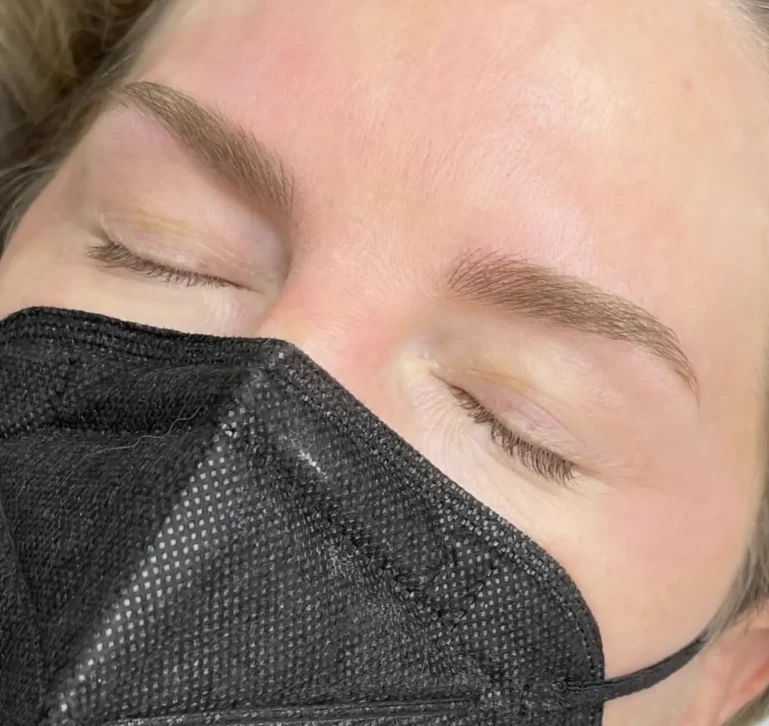
So you’ve been wondering, “Do you still need to fill in brows after microblading?” — you’re not alone. I get asked this weekly in my Melbourne studio by clients who’ve tried every brow pencil, powder and gel on the shelf. I’m Olha Po, a licensed cosmetic tattoo artist since 2016, and in this article, I’ll give you the honest truth about what a microblading procedure really delivers — and when you might still want to reach for a brow product. At Cosmetic Tattoo Studio Melbourne Face Figurati, we see clients every day searching for clarity about microblading eyebrows and realistic expectations.
Let’s cut through the noise, ditch the overpromises and talk about brows in the real world. By the end, you’ll know exactly what to expect after your eyebrow procedure, what factors affect pigment retention and how to keep your brows looking fresh for years.
Contents
- 1 Why Some Still Use Makeup After Microblading
- 2 Skin Type Plays a Big Role in Brow Results
- 3 Healing Process and Why It Matters
- 4 Dry Healing vs Wet Healing
- 5 Pigment Choices and Longevity
- 6 Lifestyle Habits That Affect Brow Retention
- 7 Microblading vs Other Brow Techniques
- 8 Client Story: Brows That Survived Melbourne’s Summer
- 9 Long-Term Expectations and Touch Ups
- 10 Common Myths About Post-Microblading Makeup
- 11 Practical Aftercare Tips for Melbourne Clients
- 12 Final Thoughts and Next Steps
- 13 FAQ
Why Some Still Use Makeup After Microblading
Microbladed brows give a semi-permanent makeup effect — realistic hair strokes that mimic natural growth. But here’s the reality: everyone’s skin type, lifestyle, and healing process are different. For some, the results look perfect without extra makeup. For others, a little pencil or powder helps balance out colour fading, oily skin or uneven retention. Clients often tell me they searched for microblading near me and were relieved to find brow microblading that actually looked natural.
Think of microblading as your foundation: it creates the structure and shape. Makeup then becomes optional — a “finishing touch” rather than a daily must.
Skin Type Plays a Big Role in Brow Results
Your skin is the canvas. How it holds pigment will determine whether you’ll want to fill in brows occasionally.
- Oily skin: Tends to push pigment out faster, meaning hair strokes may blur or fade quicker. Many oily-skinned clients enjoy their new brows but still use a light brow powder for sharper definition.
- Dry skin: Usually retains pigment better, giving crisp strokes that last longer. These clients often skip brow products entirely.
- Mature or healing skin: May be thinner and more delicate, requiring softer strokes that can appear lighter over time.
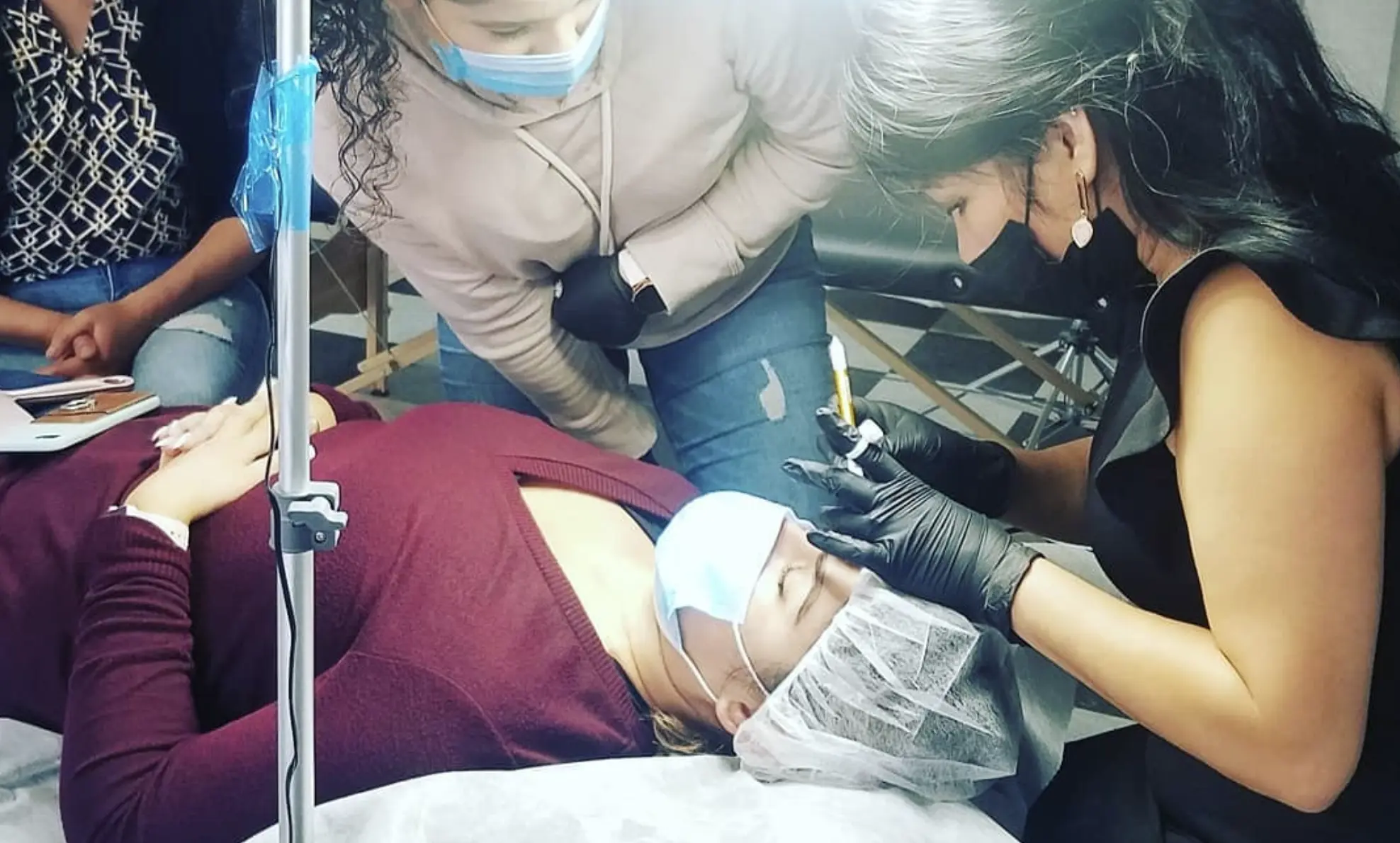
At Cosmetic Tattoo Studio Melbourne Face Figurati, I customise every procedure with this in mind — adjusting technique, pigmentation shade and stroke density so your brows suit both your skin and your facial features.
Healing Process and Why It Matters
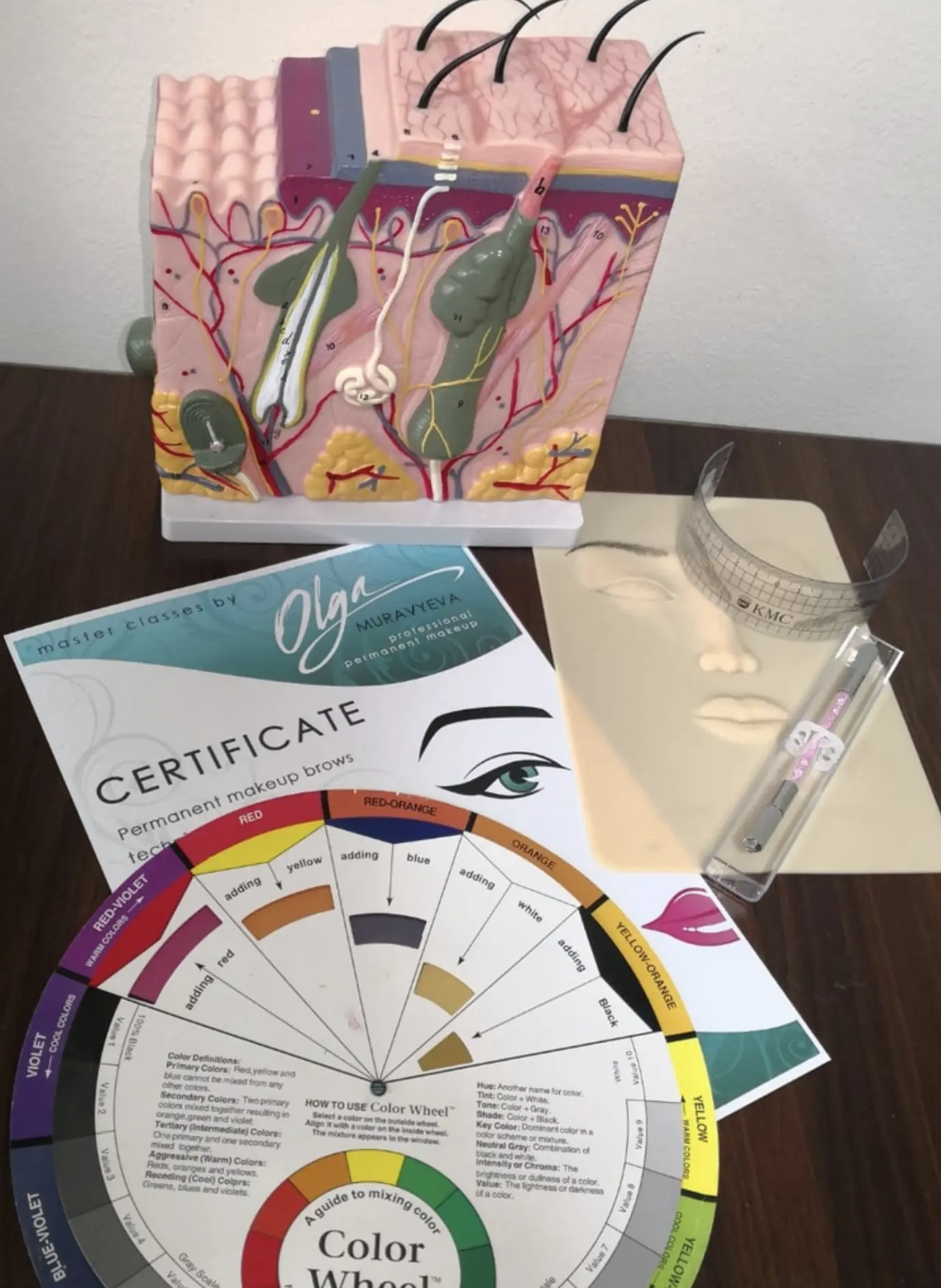
Microblading isn’t a one-and-done. The healing period affects colour, shape and whether you’ll need to fill in.
| Healing time | Stage | What Happens | What You See |
| Days 1–3 | Fresh strokes, darker than expected | Initial settling of strokes and lymph response | Brows may look too bold |
| Days 4–7 | Lymph fluid dries, scabbing/peeling begins | Natural exfoliation and flaking | Patchy or uneven appearance |
| Days 8–14 | Flaking subsides, colour seems faded | Skin covering softens over strokes | Brows look too light |
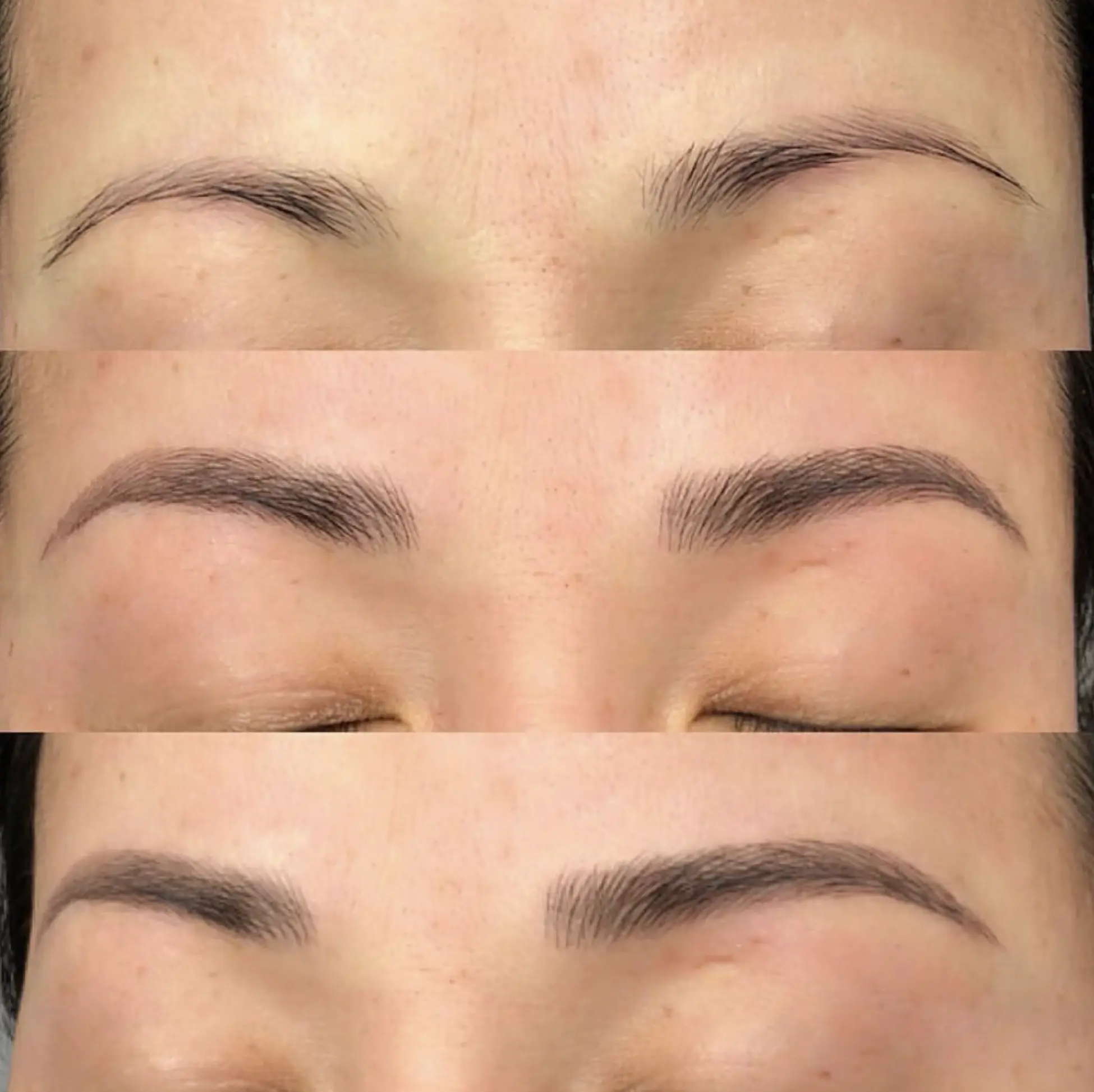
| Weeks 4–6 | Pigment resurfaces after skin renewal | Colour stabilisation and clarity | Final colour and strokes visible |
During peeling and fading, many clients freak out and reach for brow products. My advice? Wait until the scabs fall off naturally. Once healed, you’ll see your true brows.
Dry Healing vs Wet Healing
Different studios have different microblading aftercare routines. Some say dry healing — no touching the brows except for gentle cleansing with antibacterial soap. Others recommend wet healing — using a healing balm to keep the area moisturised.
Both work, but consistency is more important than the method. The wrong skincare or aesthetic products — especially harsh fruit extracts or chemical peels — can disrupt the healing process and affect long-term results.
Pigment Choices and Longevity
Not all pigments are created equal. In Australia, we have regulations for safety, but pigment retention varies. The brand, colour mix and depth of implantation all affect whether you’ll need to fill in your brows down the line.
- Lighter blondes and soft taupes will fade faster and need makeup touchups.
- Darker pigments generally last longer but can heal cooler (ashier) depending on skin tone.
At Face Figurati, I only use high-quality, certified pigments designed for cosmetic tattooing. They fade naturally without harsh colour shifts — so if you do need to fill in, it’s a subtle touch-up, not a rescue mission.
Lifestyle Habits That Affect Brow Retention
Melbourne weather swings — hot summers, cool winters — can stress the skin and affect pigment. Add in lifestyle habits and the story changes again:
- Frequent sun exposure or tanning bed use: UV light fades pigment quickly, especially in summer. Sunscreen or hats are non-negotiable.
- Active routines: Sweating and swimming can reduce pigment longevity.
- Skincare products: Retinols, acids or chemical peels near the brow area will fade strokes faster.
- Hormone levels and autoimmune disease: These can affect skin renewal and how pigment holds.
Some clients don’t wear makeup, others fill in for special occasions — neither is wrong. It’s about matching expectations to reality.
Microblading vs Other Brow Techniques
Microblading isn’t the only cosmetic tattoo option. Some clients are better suited to shading or combination brows.
- Powder brows: Soft “makeup look” with less filling in.
- Combination brows: Hair strokes and shading for density and longevity.
- Lip blush: Another popular permanent makeup option for symmetry and a natural tint for lips.
When clients book eyebrow microblading, they often assume it’s the only technique available. At Face Figurati, we help clients compare microblading eyebrows, powder brows and combination brows so the choice reflects their lifestyle, not just a trend.
Client Story: Brows That Survived Melbourne’s Summer
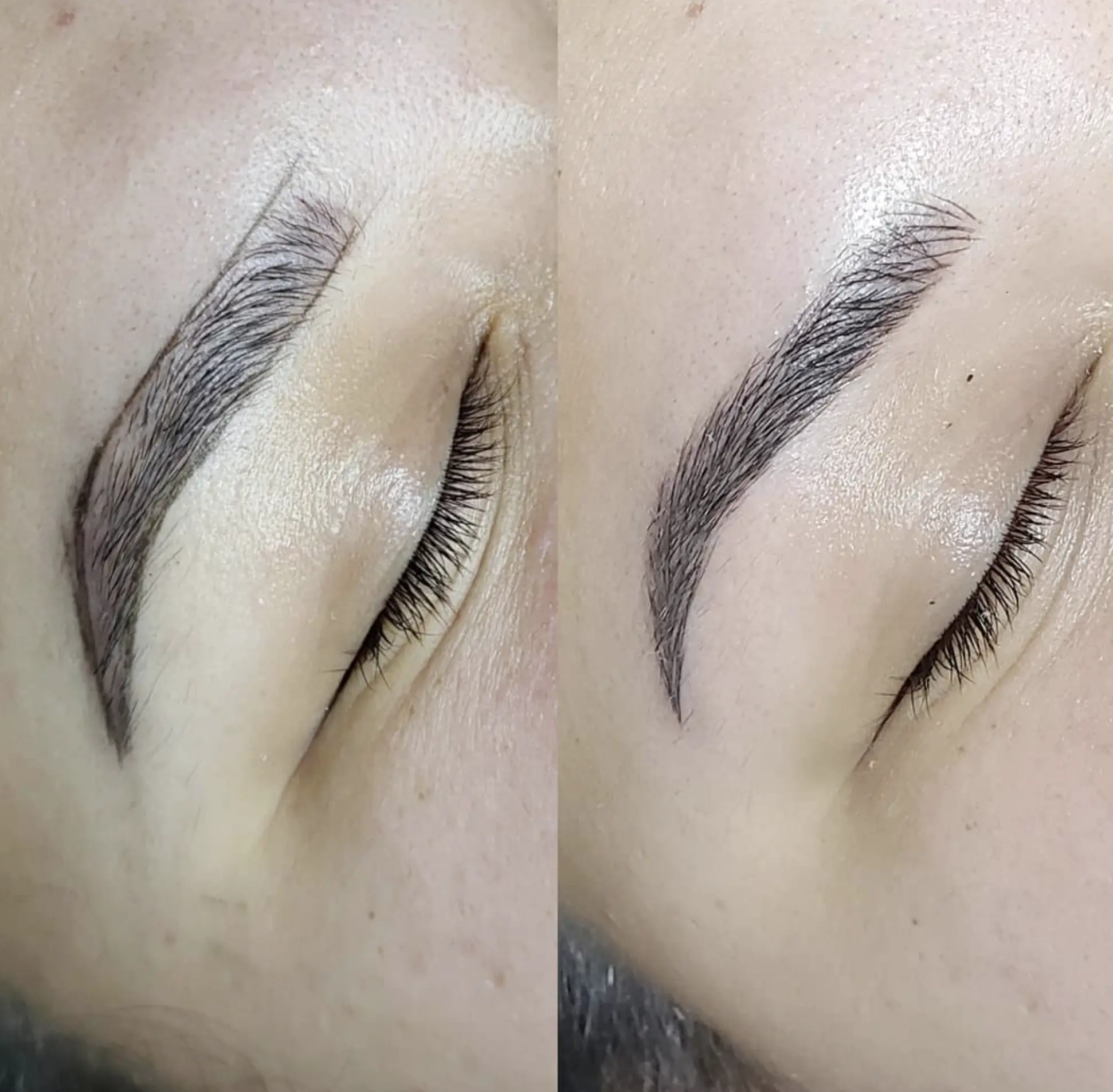
One of my clients, Sarah, came in worried about daily pencilling. After her brow microblading session, she was thrilled, but summer tested her brows. With beach trips, sunscreen and plenty of sweating, her pigment softened faster than expected. She told me she still loved the shape (no more mismatched arches!) but used a light pencil when heading out at night. The takeaway? Microblading gave her freedom, not perfection, and that’s often enough.
Long-Term Expectations and Touch Ups
Here’s the truth: microblading is semi-permanent, not forever. Expect a touch-up every 12-24 months. Without them, brows will fade gradually until you’re back to square one.
Still, even with fading, most clients enjoy a softer outline that reduces daily effort. A quick swipe of brow gel becomes optional, not essential.
Stats to note:
A 2023 Australian beauty survey found 68% of women said permanent makeup reduced the time spent on daily routines.
4 in 10 still used a brow pencil for certain occasions even after a touch-up session.
Common Myths About Post-Microblading Makeup
Let’s bust a few myths:
- “You’ll never need brow makeup again.” False. Many love their results without extras, but some still like more drama for nights out.
- “Makeup ruins microblading.” Not true. Once healed, using powder or pencil won’t damage pigment.
- “If you need to make up for the treatment that failed.” Absolutely not. Microblading is about reducing effort, not eliminating choice.
Practical Aftercare Tips for Melbourne Clients
Healing skin deserves care, and small habits make a big difference. Here’s my advice:
- Clean with antibacterial soap, pat dry and apply a healing balm if advised.
- Don’t touch your brows with your phone or dirty hands during the healing period.
- Avoid tanning beds, chemical peels and strong aesthetic products near the brows.
- If you’ve had dermal fillers recently, wait before booking to prevent complications.
- Be aware of skin sensitivity, autoimmune disease or keloid scars — disclose these in your consultation.
- Don’t stress if you need to use makeup now and then — it’s about brow care, not rules.
Final Thoughts and Next Steps
So, do you still need to fill in brows after microblading? The short answer: sometimes. For many clients, microblading delivers all the definition they need. For others, a little brow pencil is part of the kit. Either way, the treatment is about freedom — less time in the mirror, more confidence walking out the door.
If you’re in Melbourne and curious about whether microblading is right for you, I’d love to see you at Cosmetic Tattoo Studio Melbourne Face Figurati. Reaching out for a consult is the best first step. And if you’ve had brows done elsewhere and you’re thinking of trying again, I’m always here to give honest advice and tailor a plan for your skin type and lifestyle.
FAQ
Will makeup damage my brows after microblading?
Not once they’re healed. During the first two weeks, avoid makeup directly on the area. After that, light products are safe.
Why do my brows look patchy during healing?
It’s normal during the peeling stage when lymph fluid hardens and skin flakes. The true results only show after full healing at 4–6 weeks.
Can I choose a brow style that won’t need filling in?
Yes. Powder or combination brows give denser results, perfect if you want a no-makeup finish.
How long before I’ll need a touch-up session?
Most clients return every 12–18 months, depending on skin type, lifestyle and pigment choice.
Is microblading worth it if I still need a pencil sometimes?
Absolutely. Think of it as cutting your daily brow time by 80%. For many, that alone makes it worthwhile.
