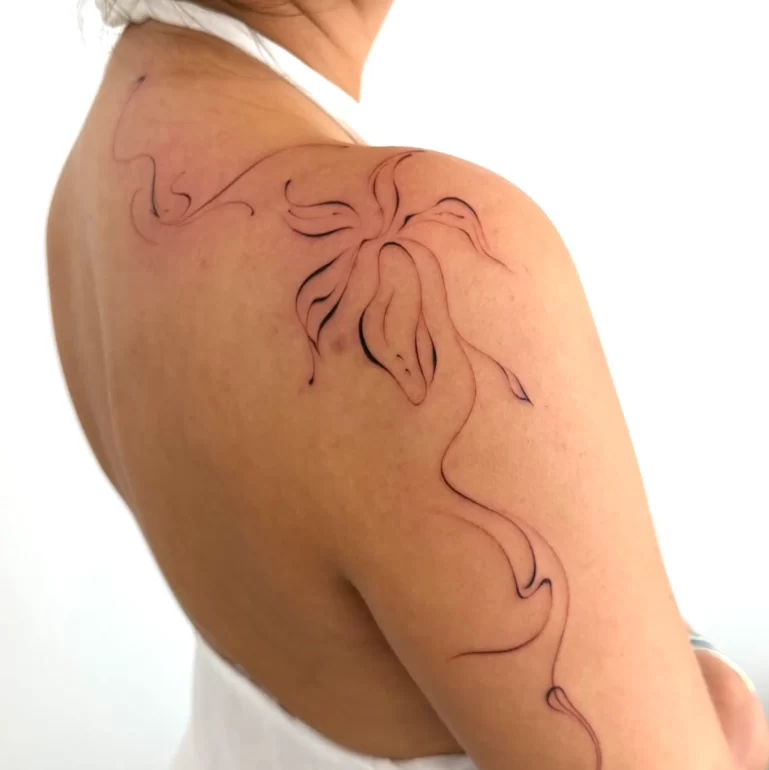
So you’ve just got a delicate tattoo and someone has already whispered Bepanthen in your ear. It’s one of the most recommended ointments for new ink — but is Bepanthen good for fine-line tattoos? In this guide, written by Olha Po, we’ll get into real-world Tattoo Aftercare, what the research says, and our own tattoo studio experience with clients in Brisbane’s humidity. Because when it comes to single-needle tattoos, minimalist designs and geometric shapes, the healing process and aftercare products matter just as much as the Tattoo Artists you trusted with your Tattooed Skin.
Contents
- 1 Why Delicate Tattoos Need Extra Care
- 2 What Is Bepanthen?
- 3 Bepanthen on Fresh Tattoos
- 4 Downsides of Fine-Line Tattoos
- 5 A Week-by-Week Healing Timeline with Bepanthen
- 6 Studio Experiences and Real Client Stories
- 7 Alternatives to Bepanthen
- 8 Brisbane Climate Considerations
- 9 The Science Behind Skin Healing and Dexpanthenol
- 10 Common Myths About Tattoo Aftercare
- 11 Practical Aftercare Checklist
- 12 Final Thoughts: So, Is Bepanthen Right for Your Tattoo?
- 13 FAQ
Why Delicate Tattoos Need Extra Care
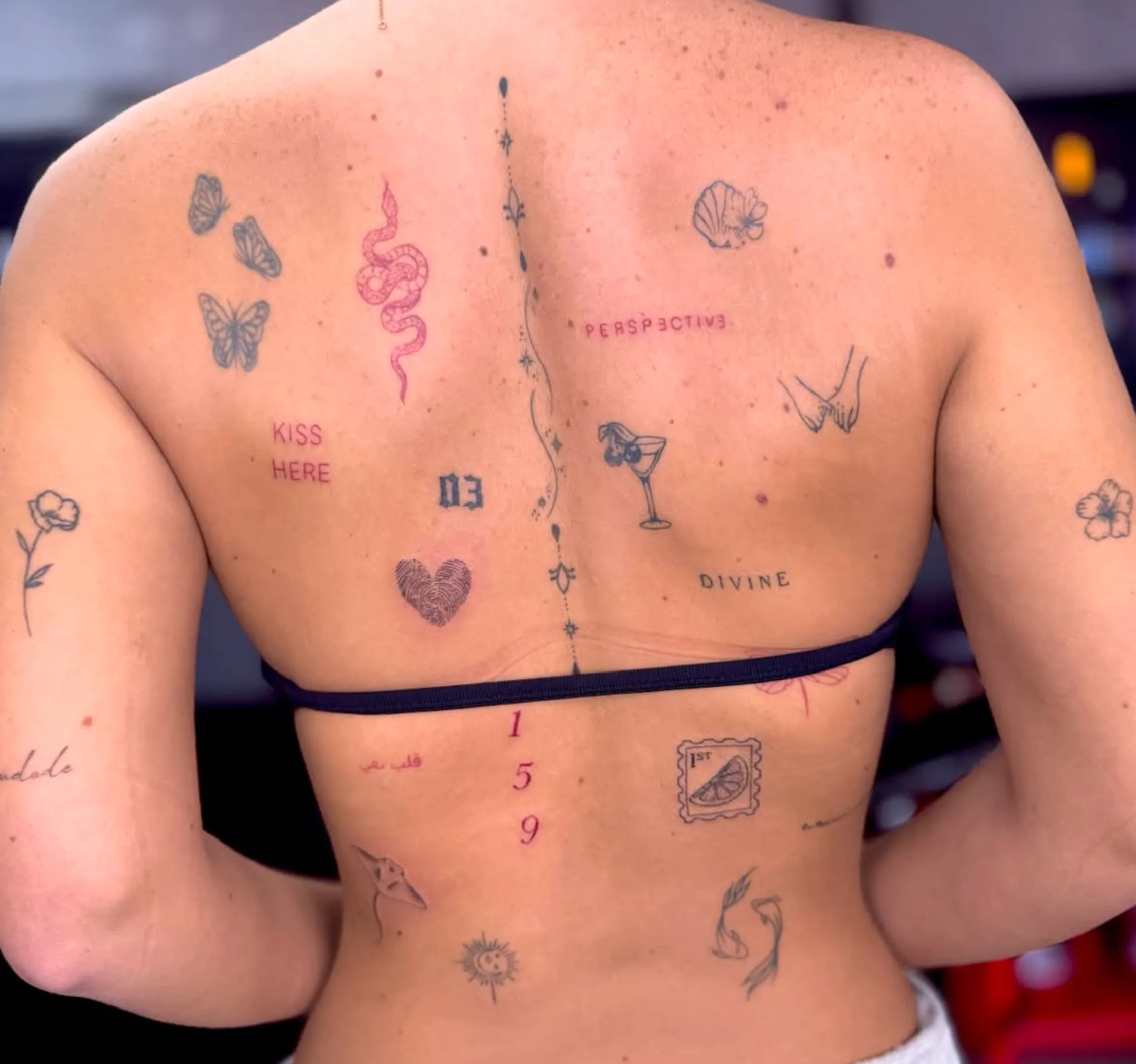
A fine line tattoo isn’t your standard bold traditional tattoo. It’s a tattoo needle, soft shading and detailed designs that can easily blur or fade if aftercare goes wrong. At Cosmetic Tattoo Studio Brisbane Face Figurati, we see clients who want micro tattoo work and minimalist designs that look as good in 10 years as they do on day one. That’s why aftercare for fine line tattooing needs to be gentler and more thoughtful than with heavier tattoo styles.
The problem? Brisbane’s heat and humidity can make fresh ink weep more, stick to clothing and risk faster scabbing. Without the right tattoo ointment or healing formula, you could be setting your Tattooed Skin up for ink fading and a touch-up sooner than expected.
What Is Bepanthen?
Bepanthen is a barrier cream originally designed as an antiseptic cream for nappy rash, but it found its way into Tattoo Aftercare because of its hydrating and healing properties. The active ingredient is dexpanthenol (pro-vitamin B5), which helps with skin regeneration while keeping the area moisturised. It’s fragrance-free, relatively gentle and easy to find at most pharmacies in Australia, with Bepanthen made by the pharmaceutical giant Bayer.
But is it perfect for single-needle tattoos — especially fine-line work on sensitive areas like the inner forearm? Not necessarily. Let’s get into it.
Bepanthen on Fresh Tattoos
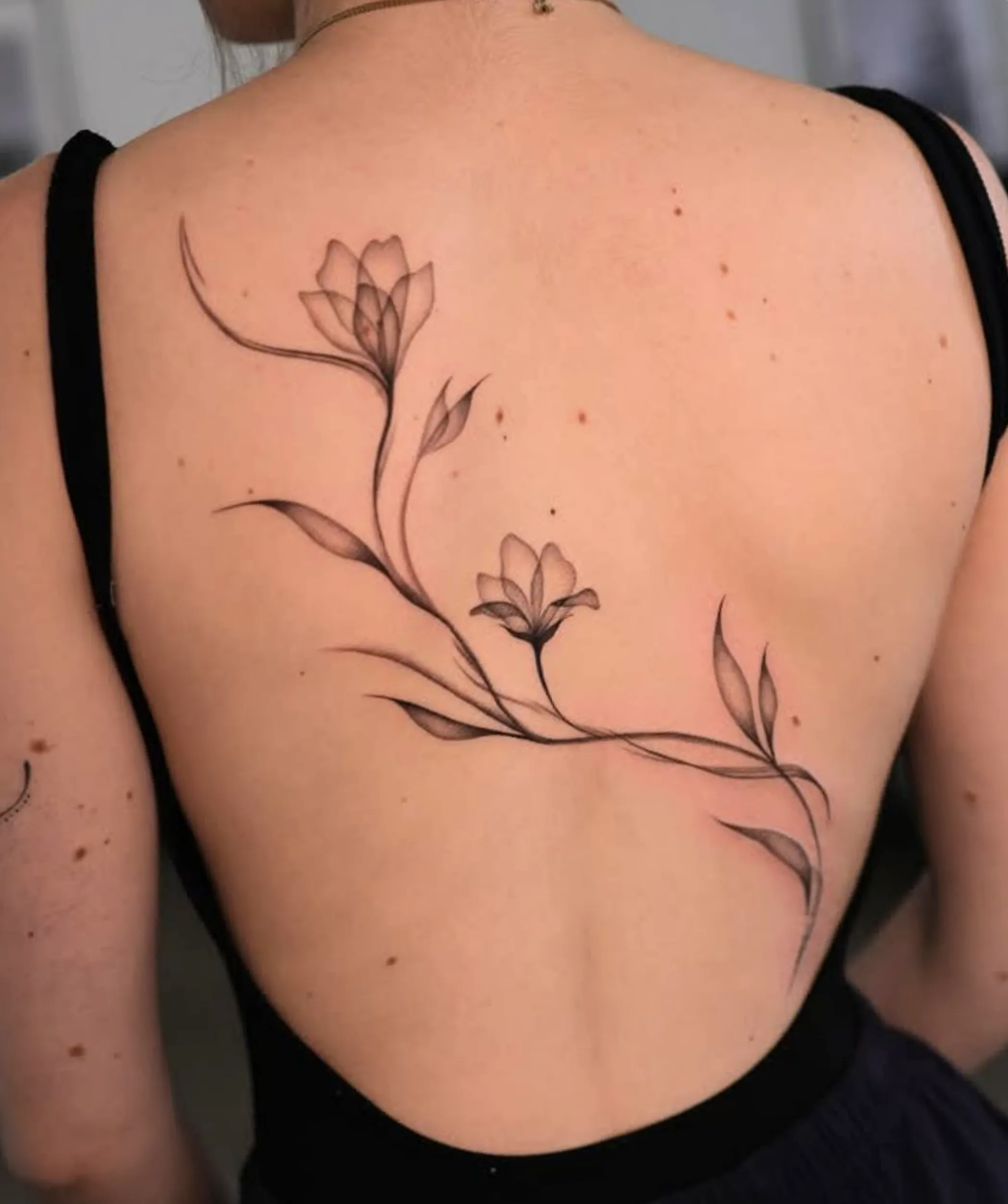
Used correctly, Bepanthen can help protect tattooed skin during the healing process. Here’s why some tattoo artists still recommend it:
- Hydration support: Keeps the tattooed area soft, which helps prevent cracking and irritation.
- Protective barrier: Stops bacteria and friction from clothing.
- Widely available: Easy to find in Brisbane pharmacies and supermarkets.
A 2025 Australian skincare report found 68% of new tattoo clients used Bepanthen as their first aftercare product — it’s still a big favourite.
Downsides of Fine-Line Tattoos
Here’s the catch. While Bepanthen works for many people, it can cause issues for micro tattoos and single-needle tattoos:
- Too heavy: The ointment can feel greasy and clog pores if applied too thickly.
- Over-moisturising risk: A fine line tattoo is delicate; too much moisture can cause the tattoo ink to lift.
- Clothing stickiness: In Brisbane’s heat, Bepanthen can stay tacky and rub off on clothes.
We’ve had clients who loved Bepanthen and had great results, but we’ve also seen cases where switching to a lighter healing formula or tattoo-specific balm made all the difference.
A Week-by-Week Healing Timeline with Bepanthen
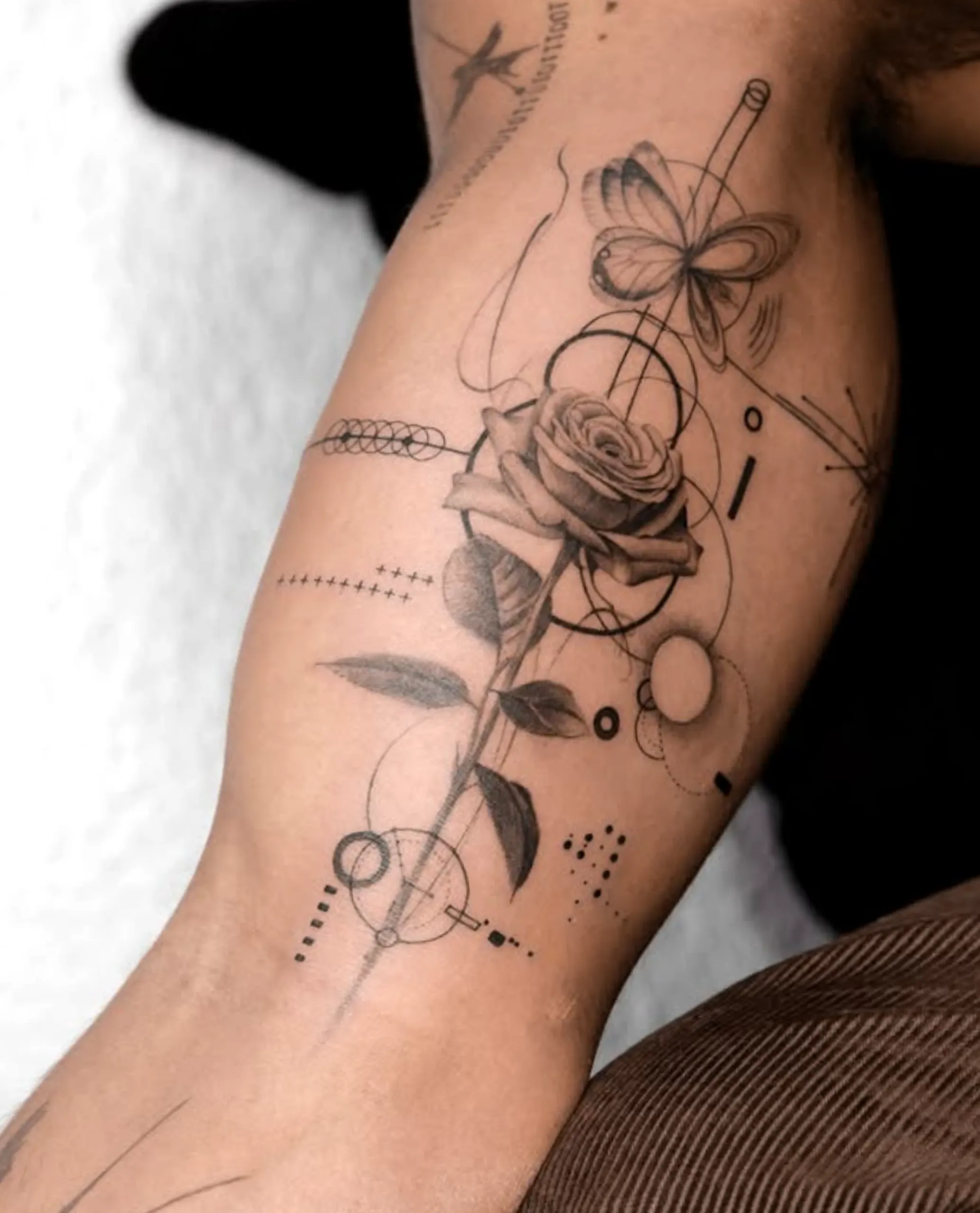
Every tattoo heals differently, but fine line tattooing follows a general healing process. Here’s how Bepanthen fits in:
| Healing Stage | Timeline | What to Expect | Using Bepanthen |
| Initial Cleaning | Days 1–3 | Redness, tenderness, slight oozing of fresh ink | Gently wash with warm water and liquid soap, then apply a thin layer 2–3 times daily |
| Peeling Phase | Days 4–10 | Flaking, itching, light scabbing | Continue applying lightly, avoid overloading |
| Settling In | Days 11–21 | Tattoo looks dry, lines may appear faded | Switch to a lighter, fragrance-free tattoo ointment if greasy |
| Healed | 3–6 weeks | Tattooed Skin returns to normal texture | No ointment needed; sunscreen is now your best defence against sun exposure |
Studio Experiences and Real Client Stories
One of our Brisbane clients came in with a tiny inner forearm script tattoo — barely the width of a hair strand. She followed instructions to use Bepanthen sparingly. Her micro tattoo healed beautifully, crisp and clean. Another client, however, applied it too thickly, which led to a sticky layer that trapped sweat. The result? Some blurring in the finer lines required a touch-up.
That’s why our advice at Cosmetic Tattoo Studio Brisbane Face Figurati is always: less is more. A pea-sized amount spread evenly is plenty.
Alternatives to Bepanthen
Not everyone’s Tattooed Skin responds the same way, and that’s okay. Here are some alternatives we often recommend in our studio:
- Tattoo-specific balms (like Hustle Butter or AfterArt): Lighter in texture, designed for fineline tattoo work.
- Fragrance-free moisturisers (like Aveeno or Cetaphil): Good for sensitive skin types.
- Second skin dressings (professional-grade cling film alternatives): Great for initial healing and protecting fresh ink.
The key is to choose something that hydrates without suffocating the skin.
Brisbane Climate Considerations
Living in Brisbane, we know how humidity changes the Tattoo Aftercare game. Heavy ointments can make tattoos feel sticky and slow healing, while lighter balms breathe better. During summer, we usually suggest clients switch from Bepanthen to a lighter moisturiser after the first week. In winter, however, Bepanthen can be more forgiving as Tattooed Skin tends to dry out faster.
The Science Behind Skin Healing and Dexpanthenol
Dexpanthenol (the star in Bepanthen) supports skin barrier recovery by converting to pantothenic acid in the skin, which is vital for cell repair. A 2024 dermatology review highlighted its effectiveness in reducing transepidermal water loss, making it a solid option for wound healing. However, scientific studies don’t specifically test fine line tattooing — so we rely on professional experience and client feedback alongside research.
Common Myths About Tattoo Aftercare
- “More ointment = faster healing.” Wrong. Overdoing it can suffocate Tattooed Skin.
- “Natural oils are always better.” Not necessarily; some oils clog pores and prolong redness.
- “If the tattoo looks faded after healing, it means bad ink.” Not true — fineline tattoo work often looks lighter until the skin fully regenerates.
Practical Aftercare Checklist
- Wash your hands before touching your Tattooed Skin.
- Use warm water and liquid soap for initial cleaning.
- Pat dry with a clean towel — no rubbing.
- Apply a thin layer of tattoo ointment (if using Bepanthen, don’t slather).
- Avoid cling film after the first day — switch to breathable coverings if needed.
- Keep out of direct sun — UV rays accelerate ink fading.
- Avoid swimming pool dips, baths and long showers for at least 2 weeks.
- Wear loose, breathable clothing to prevent irritation.
Final Thoughts: So, Is Bepanthen Right for Your Tattoo?
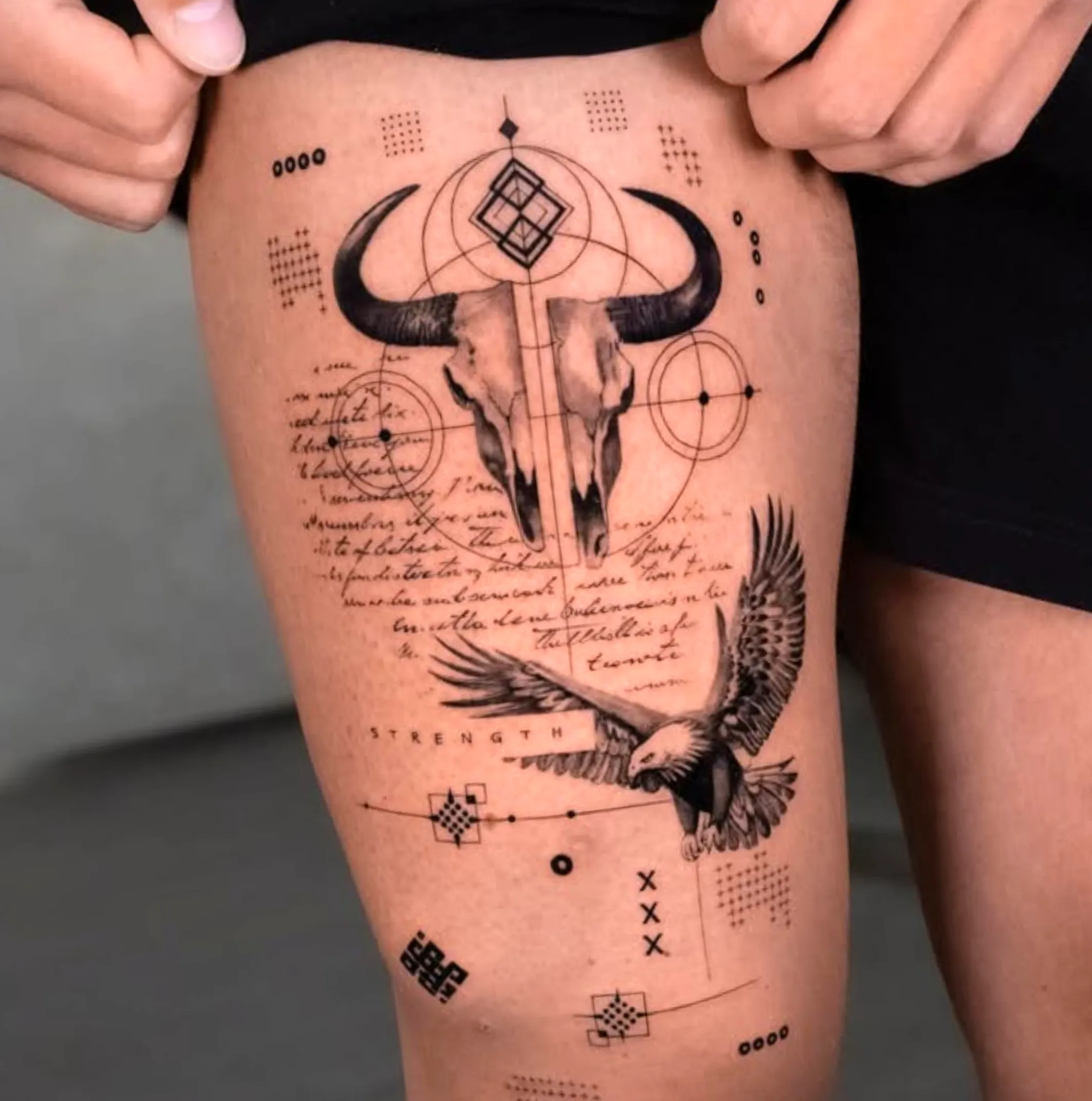
So, is Bepanthen good for fine-line tattoos? The answer isn’t a simple yes or no. It can work great if used sparingly, especially in the first week of the healing process. But for Brisbane’s humidity and the fragility of micro tattoos or single-needle tattoos, many clients do better switching to a lighter healing formula or balm after those first few days. The most important part? Listening to your skin and not treating aftercare as a one-size-fits-all routine.
If you’re unsure, chat with your fine line tattooist before you commit to a product. And remember: a fine-line tattoo is only as strong as its healing. A little care in the first few weeks pays off with crisp, lasting results you’ll love for years.
If you’re interested in becoming a fine line tattooist yourself, you’ll find that taking a fine line tattoo course provides valuable insight into both technique and aftercare. We often recommend fine line tattoo courses for anyone wanting to expand their skills.
FAQ
Can Bepanthen fade tattoos?
Not directly, but overuse can create too much moisture, which can cause tattoo ink loss or blurring in detailed designs like fineline tattoo work.
How long should I use Bepanthen on my tattoo?
Usually, 3–7 days is enough before switching to a lighter tattoo ointment.
Is Bepanthen safe for sensitive Tattooed Skin?
Yes, generally — but patch test if you have a history of skin allergies.
What happens if I don’t use any ointment at all?
Your fresh ink may dry out, crack and heal patchy, which increases the risk of ink fading and the need for a touch-up.
Do fine-line tattoos always blur over time?
All tattoo styles soften a little with age, but proper Tattoo Aftercare, sunscreen for sun exposure and avoiding long showers or swimming pool dips can keep fine lines looking sharp for much longer.
