Are fast-track microblading courses worth it? As someone who teaches new microblading artists all around Australia, I (Uliana Kasperska) get asked this same question a whole lot during client consultations and beginner microblading training inquiries – almost every week it feels like.
Think of this like grabbing a coffee and a friendly brow mapping chat before your microblading appointment – the kind of chat where we’ll give it to you straight about what actually works in this industry, and what tends to fall apart once the real clients and the real healing processes kick in.
Lots of beginners assume that a microblading course is going to give them everything they need in just a few hours – but boy, are they in for a rude awakening when they start working on real skin.
Contents
- 1 Is Rapid Microblading Training a Good Idea for Beginners?
- 2 Why Quick Training Appeals to New Artists
- 3 What You Actually Need To Learn
- 4 Fast-Track vs Comprehensive Training — A Quick Comparison
- 5 Why Post-Course Support Matters More Than Speed
- 6 Common Misconceptions
- 7 What Real Training Actually Looks Like
- 8 Signs a Short Training Program Could Hold You Back
- 9 Real Studio Story — What We See Behind the Scenes
- 10 Should You Train Through a Quick Course?
- 11 FAQ
Is Rapid Microblading Training a Good Idea for Beginners?
TL;DR: don’t even think about it if you’ve never done this before. Fast-track programs just gloss over the really important stuff like anatomy, health & safety, proper hygiene, and giving your clients the aftercare they need. Unless you’ve got all that sorted, your microblading results are gonna be all over the place, and your business will struggle to meet industry standards.
If you’ve ever done an eyebrow tattoo course before, then you know how vital it is to get those mapping and hygiene foundations rock solid before you even think about working on clients.
These super-short programs can work out alright if you already have some advanced brow skills or a beauty treatment Level 4 Cert, but for newbies like you, they just aren’t enough. You need more time, more practice and a whole lot of support from a proper training provider.
Why Quick Training Appeals to New Artists
We hear the same reasons over and over again during every microblading session and every career chat; students want to get into semi-permanent makeup fast, or start earning sooner as a brow artist, or they just think it’s cheaper than a full permanent eyebrow course – so they look for a fast-track to get into the industry.
A lot of people also compare microblading to a lip tattoo course, thinking that both can be mastered in no time, but the reality is that each one needs slow and steady practice to get really good at.
But here’s the thing, you can’t develop proper client care, business sense, technical skills or confidence in just one or two days. In our studio, most of our corrective mentoring comes from artists who thought they could just wing it with a quick online course or a super-short program and then ended up realising how much they didn’t learn.
What You Actually Need To Learn
Before you ever get your hands on a real brow, you need a whole lot more than a quick rundown – you need skills that are going to hold up when the going gets tough and you’re dealing with real clients with real skin. That’s the foundation that gives you the confidence to do this properly, stops you from making all sorts of mistakes, and makes sure your work doesn’t end up looking like it needs to be fixed instead of repaired.
Understanding How Skin Reacts
Every microblading technique relies on getting a solid understanding of the anatomy and physiology of skin, how thick it is, how vascularity and oil production work, and how all of those factors are going to impact the healing process. If your training glosses over these basics, your semi-permanent makeup strokes are going to look nothing like they should – especially if you’re working in a humid city or a dry climate like Melbourne in winter.
You’d be surprised how many artists have actually got through an eyeliner tattoo course and still had to learn that microblading has its own very specific technique.
Fast-track courses usually try to cram all the health and safety stuff into a few slides, which just isn’t enough for anyone who’s aiming to be any good. Real pros know that doing safe eyebrow tattoo work takes a lot more than that.
Pigment Science & Skin Undertones
Pigment colour theory is one of the biggest misunderstandings in the world of permanent makeup. Choosing the right pigments depends on knowing what undertones suit your clients, where their melanin sits, and how everything is going to look long-term. That takes skill and time to learn.
These are the skills that separate a beginner from a true brow expert – anyone who can really make a difference.
I’ve seen loads of students come to me for correction work because they originally did a microblading course that rushed them through the theory without giving them enough practice.
Back in 2026, a survey showed that up to 78% of correction cases came from poor colour choices made by artists who didn’t get enough training or tried to cut corners with online-only training.
Getting the Strokes Right
Making strokes that match the hair flow, angle, and density of the client’s natural brow is not something you can learn from a slideshow. You need to practice on latex workloads many times before you ever work on real people.
That’s why reputable eyebrow tattoo courses focus on structured learning, supervised work with real models, and long-term support rather than rushing through things like some fast-track programs.
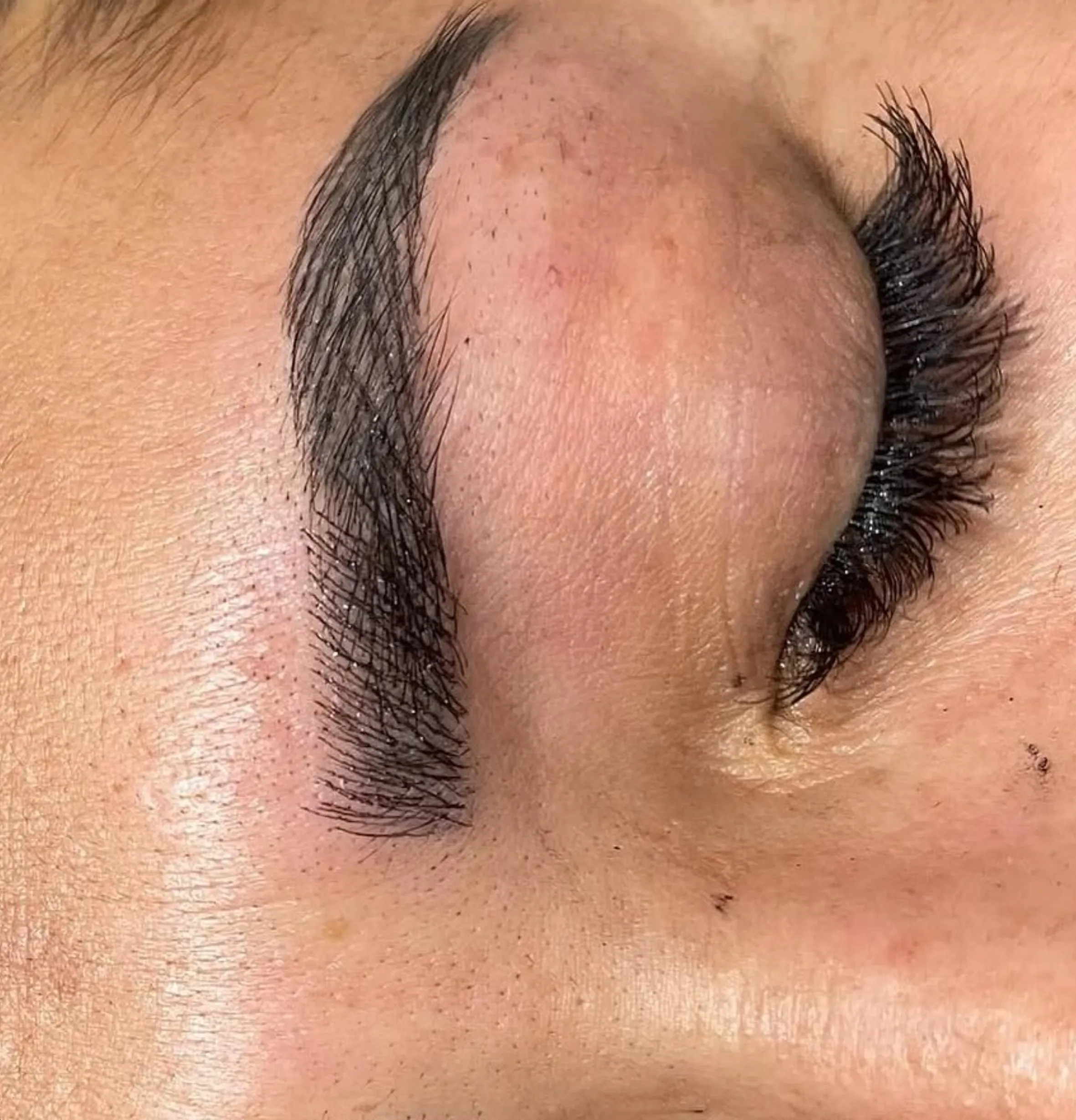
Blurred strokes, patchy results and scarring usually come from inadequate training, poor brow mapping, or skipping supervised model practice.
Keeping Your Clients Safe
Any reputable microblading technician needs a solid understanding of hygiene and safety, sharps handling, workstation setup and compliance with relevant state laws. Fast-track courses rarely include accredited training or proper demonstrations, even though these are essential for anyone offering semi-permanent makeup or brow tattoo services.
Cutting corners here isn’t just a risk – it undermines the trust your microblading business is built on.
Fast-Track vs Comprehensive Training — A Quick Comparison
| Feature / Skill Area | Fast-Track Courses (1–2 Days) | Comprehensive Training (5–12 Days + Mentoring) |
|---|---|---|
| Skin Theory | Light overview | In-depth practical analysis |
| Pigment Colour Science | Basic booklet | Advanced correction & undertones |
| Brow Mapping | One template | Full geometry for all face shapes |
| Live Models | 0–1 model | 2–6 supervised models |
| Hygiene & Safety | Minimal theory | Accredited & hands-on safety |
| Aftercare Guide | Generic sheet | Customised healing support |
| Post-Course Support | None | 3–12 months mentoring |
| Average Correction Rate | 40–60% | 5–15% |
| Level of Business Acumen | Low | Structured business training |
| Confidence Level | Low–moderate | High–very high |
Why Post-Course Support Matters More Than Speed
It’s no secret that becoming a confident brow artist takes a lot more than just a quick course – it’s about troubleshooting the tough cases, like oily brows, textured skin and healing process issues. This kind of work doesn’t happen in a rush; it takes repetition, feedback, and a trained eye – none of which you’ll get in a fast-track program.
We get a lot of new artists coming to us who sped through their training only to end up saying, “I picked up more from one hour of feedback here than I did from my entire course.”
In reality, support is where your permanent makeup skills really start to take shape.
Common Misconceptions
“I’m a quick learner – I’ll pick it up in no time.”
Permanent makeup is a craft that needs time to develop – it’s not just about having a good eye, it’s also about motor control and pressure management.
“One model’s enough.”
The truth is, your first model is usually more about nerves than technique.
“Online-only training is just fine.”
Online theory can be helpful, but you can’t learn technique without doing the work for real.
“Cheaper means more efficient.”
Cheaper often means cutting corners on crucial elements like proper microblading techniques, hygiene, and structured practice.
What Real Training Actually Looks Like
A good permanent eyebrow course is going to include:
- Putting theory into practice with hands-on brow mapping
- Working on several live models
- A solid grounding in anatomy and physiology
- Extensive training in infection control and hygiene
- Getting pigment colour theory right
- Completing plenty of latex practice before working on clients
- A clear aftercare guide for safe healing
- Ongoing support while building your microblading business
This is what sets the standard for professional industry artists.
Signs a Short Training Program Could Hold You Back
If a program promises you’ll be “client-ready in 1 day”, that’s a major red flag. Other warning signs include:
- No supervised models
- No hygiene or safety component
- No discussion of contraindications
- No business training for real-world bookings
- No guidance on healing or troubleshooting
If a program can’t prepare you for real-life clients, it’s not worth your time or money.
Real Studio Story — What We See Behind the Scenes
Lately, we worked with a new microblading artist who had only attended a one-day workshop. She was gripping the tool incorrectly, inserting the needles too deeply, and using a mapping template that didn’t suit her model’s face shape.
In just one mentoring session, we corrected her tool handling, pressure control, pigment choice, and brow mapping strategy — skills she told us were never covered in her first course. That’s exactly why comprehensive training matters.
Should You Train Through a Quick Course?
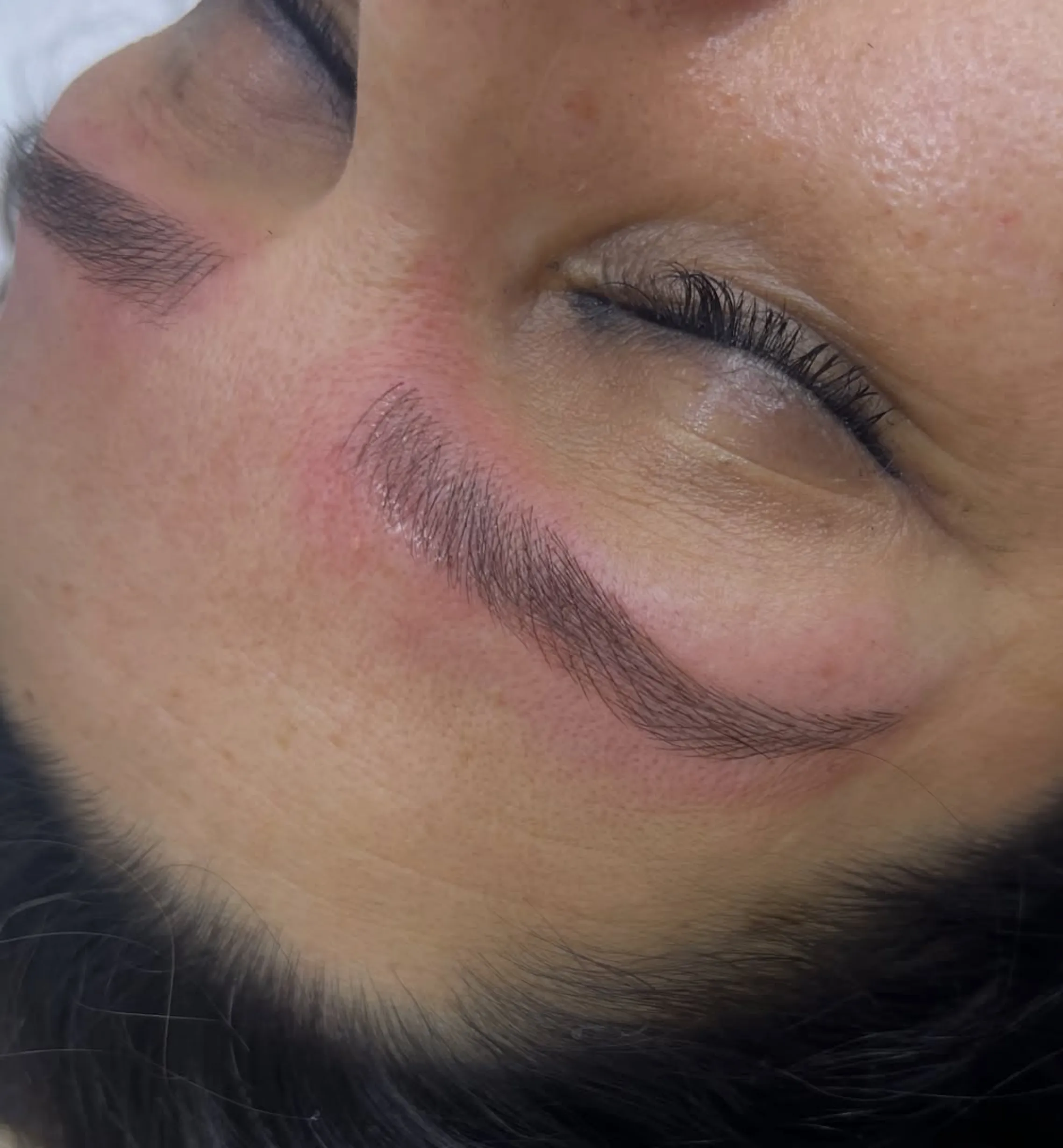
If you already work in the beauty industry or have experience in tattooing or brow artistry, a fast-track refresher can be useful.
But if you’re brand new and want to become a full-time brow specialist, be honest with yourself. Invest in training that teaches proper microblading techniques, prepares you for real paying clients, and supports long-term success.
If you’re unsure which path is right, feel free to reach out to Cosmetic Tattoo Studio Brisbane Face Figurati — we’re always happy to help guide your next step.
FAQ
What’s the deal with working after a fast-track course?
You can, but you still need to meet all state hygiene and safety requirements.
Are short courses any good for experienced artists?
Yes. For artists with strong foundations in skin, mapping, and pigment theory, they can fine-tune technique.
How come short courses are cheaper than comprehensive ones?
They cut out live models, safety training, and business education.
How long does proper training actually take?
Beginners usually need 5–12 days plus mentoring.
What’s the biggest risk with fast-track courses?
Poor healing, deep needle insertion, and inconsistent results — all of which damage client trust and your business reputation.
