Where to Find Snow in the Great Dividing Range: A Guide to the 2026 Winter Season. It’s less about all the hype & more about actually knowing where the snow will end up here in Southern Australia, and whether it’s really worth getting out on the road for.
I’ve spent years chasing snow across the eastern states. From early morning dumps in the Snowy Mountains right through to the last stragglers in the Victorian Alps. And every single time it’s the same story: elevation, the timing of the snowfall, and where the weather fronts come from are all way more important than marketing hype.
If you can get your head around how snow actually works down here – and why some alpine regions do so much better than others – you’ll be finding pretty good winter conditions without wasting too much fuel.
Contents
- 1 Why Snow Falls In The Great Dividing Range
- 2 Australia’s Most Reliable Snowy Regions
- 3 The Major Alpine Resorts That Are Really Worth Visiting
- 4 The Wild Ride of the Victorian Alps
- 5 A Look At The Big Three: What’s The Real Story
- 6 Snow Depth And Seasonal Timing
- 7 The Divide: Artificial Snow vs Natural Snowfalls
- 8 There’s More to Alpine Life Than Just Skiing
- 9 Alpine Roads, Chains, and When to Stay Put
- 10 Places Which Get Snow (Even If It’s Rarely The Case)
- 11 Planning Tips For Next Year
- 12 The Final Word
- 13 FAQ
Why Snow Falls In The Great Dividing Range
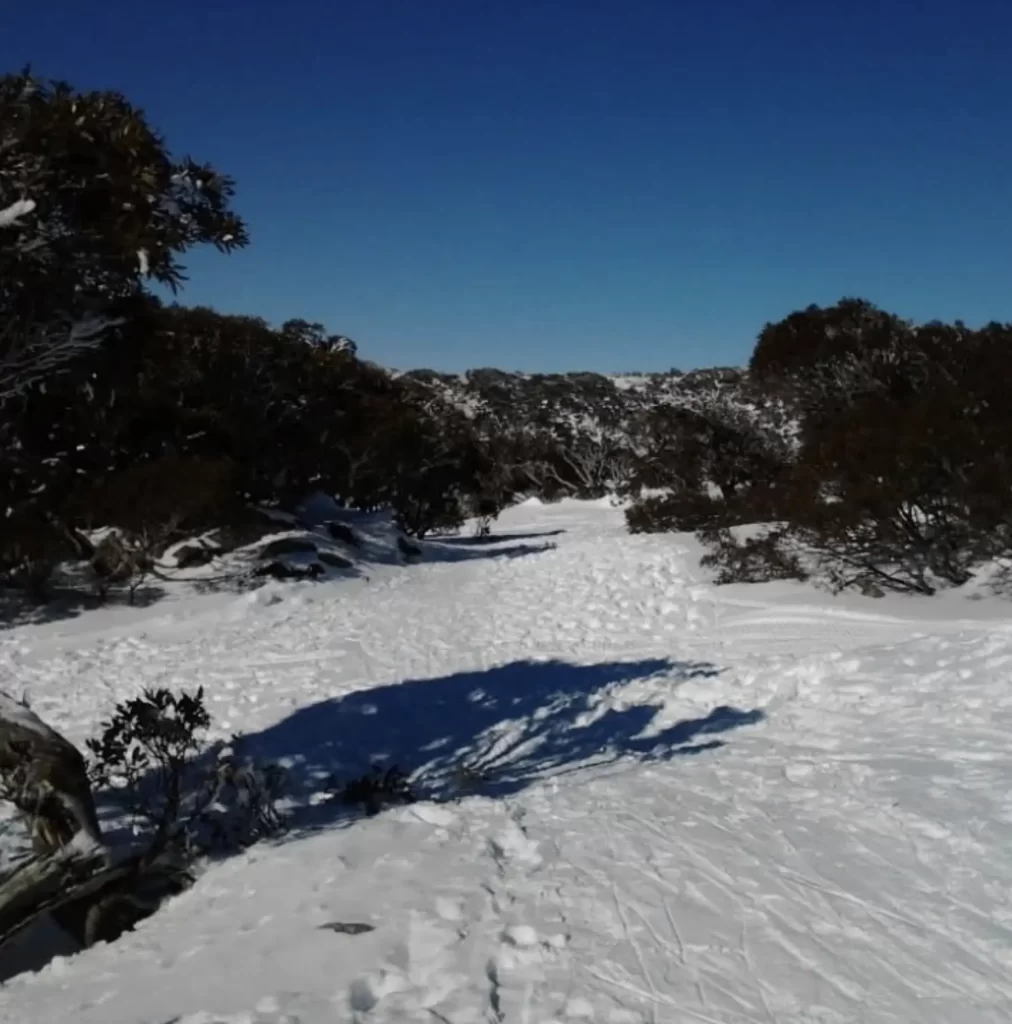
Snow in Australia isn’t just down to chance. It’s all about low-pressure systems, sudden blasts of polar air, and how quickly cold fronts move in from Bass Strait.
When a deep low-pressure system starts moving up from the south-east and drags a mass of cold air right across the Australian Alps – that’s when the snow levels plummet, the resort chain cameras light up, the roads get shut down, and the warnings start popping up on the ABC. Miss that window, though, and you’re left with cold rain and some very disappointed kids.
Australia’s Most Reliable Snowy Regions
The Snowy Mountains are the highest point of the Great Dividing Range map – that’s why this region pretty much runs the show every year when it comes to the Australian ski season.
Cold air funnels down the main range, the snow sticks for longer, and snowcover is usually deepest near Spencers Creek – one of the longest running alpine snow gauges in the country, and one that Snowy Hydro has been keeping an eye on for years.
The Major Alpine Resorts That Are Really Worth Visiting
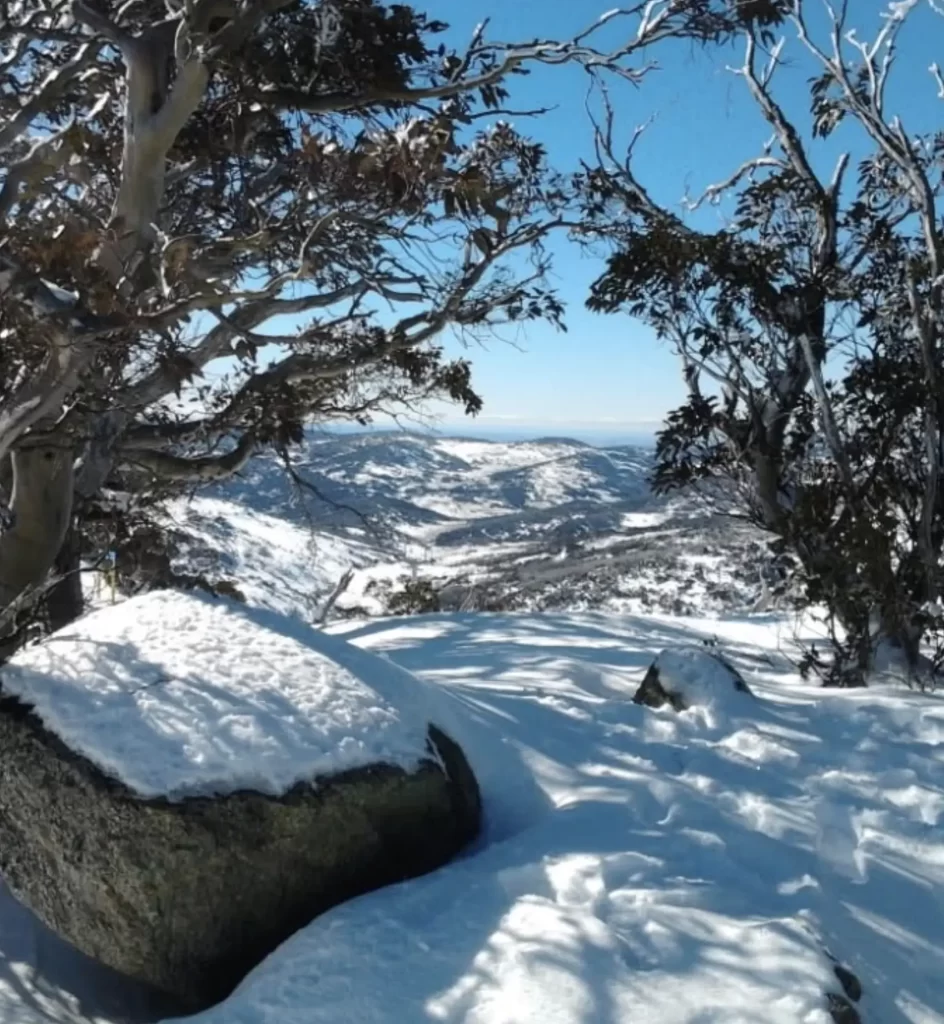
These ski resorts are the backbone of Australia’s alpine scene
- Perisher Ski Resort – the biggest alpine ski resort in the Southern Hemisphere
- Thredbo Alpine Village – vertical drop king with a strong village vibe
- Charlotte Pass – the highest village around, and snow-bound after the really big storms
- Guthega Ski Village – more laid back with a focus on cross-country skiing
- Selwyn Snow Resort – family-friendly, and lower down the mountain than some of the other places
Charlotte Pass often manages to hold on to the snow when the rest of the places are struggling – but getting there is a weather extravaganza all on its own, and just depends on what the weather’s doing and whether the road gets shut.
The Wild Ride of the Victorian Alps
The Victorian Alps sit right up against the Southern Ocean, so they get hammered by harsh weather systems – with gale-force winds during the really cold snaps being a particularly nasty one.
When a decent cold front rolls in from the west and crosses over Bass Strait, the snow starts piling up here in a hurry. And by the time it’s all over, you’ve got a whole lot of it – deep enough to make for some really decent skiing.
A Look At The Big Three: What’s The Real Story
- Mount Buller – the easiest to get to, but also the busiest on the weekends, so be prepared for crowds
- Falls Creek – the place to go if you’re a cross-country fan – the trails here are world-class, both groomed and otherwise
- Mount Hotham – the real deal – the coldest, windiest, and most likely to still have snow in late July
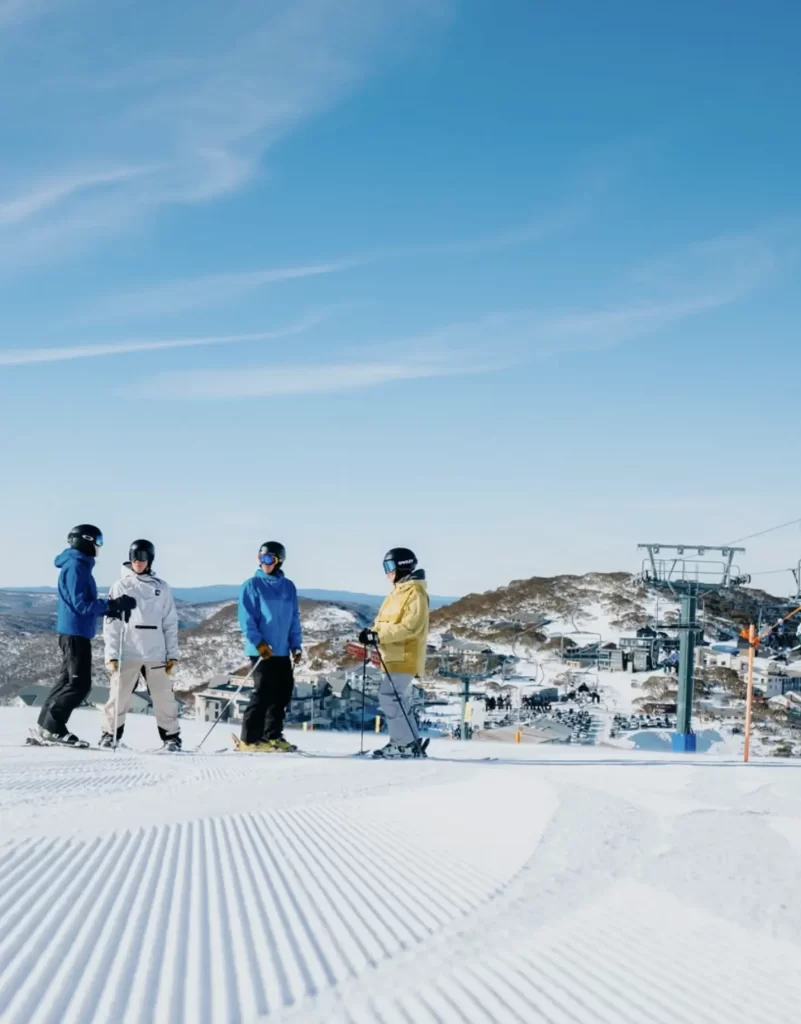
The fact that Falls Creek is spread out on a plateau makes it perfect for snowshoe tours – and Hotham’s exposed location means you’ll get battered by the elements, but what you get in return is some of the best snow retention in the range.
Snow Depth And Seasonal Timing
And here’s how a typical snow season plays out in the Australian Alps, according to years and years of alpine observations and visitor numbers.
| Month | Snow Levels | Conditions |
|---|---|---|
| June | Building | First major Snowfall Events |
| July | High | Cold outbreaks, strong snow cover |
| August | Peak | Deep snow, best ski season |
| September | Variable | Late storms or rapid melt |
| October | Low | Patchy snow, limited terrain |
Average annual snowfall in alpine regions can swing wildly, between 1.5 and 2.5 metres, but the timing is absolutely everything.
The Divide: Artificial Snow vs Natural Snowfalls
Every single alpine ski resort relies on artificial snow to keep the slopes in decent nick, but let’s be honest, it’s just a stopgap until a proper cold front rolls in.
Snowmaking helps out in a few key areas:
- Keeps snow parks open
- Helps stabilise those high-traffic runs that get pounded to death
- Extends the ski season a bit longer
But the thing is, it can’t replace Mother Nature when it comes to a proper blanket of snow – especially after a warm spell or a rain event throws a spanner in the works.
There’s More to Alpine Life Than Just Skiing
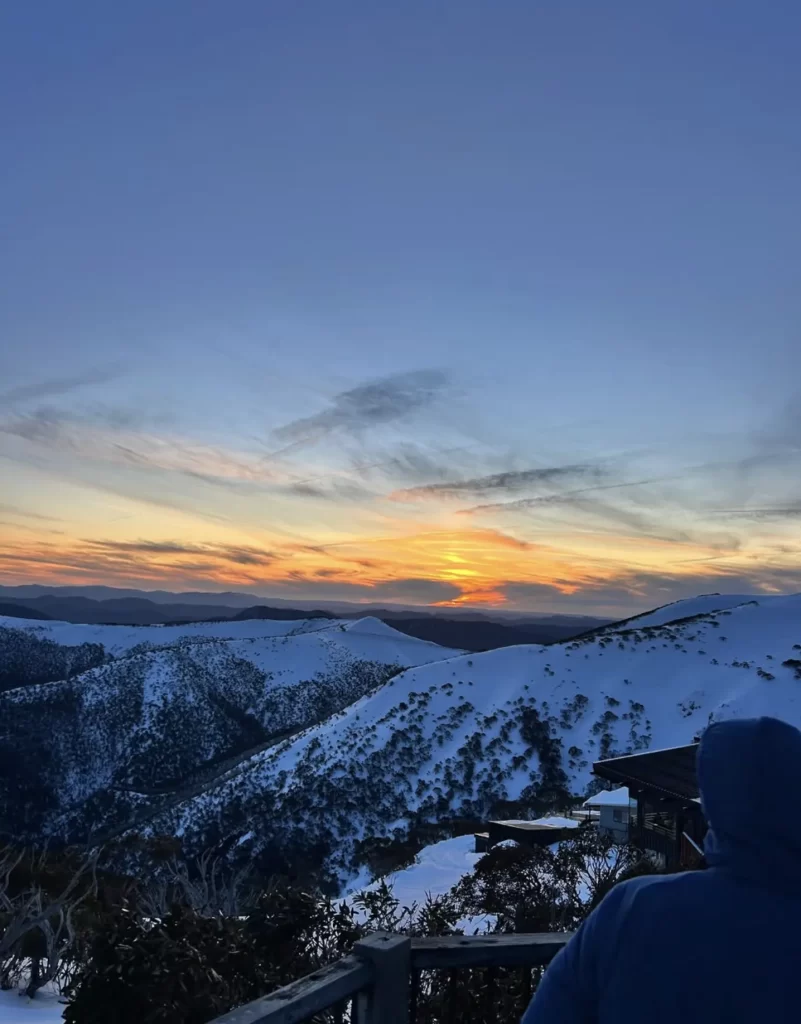
Snow isn’t just about hitting the lifts and racking up the laps.
You can also get out and:
- Explore the Cross Country trail networks at Falls Creek
- Take a guided snowshoe tour near Guthega
- Wander down groomed walking trails around the alpine villages
- Treat yourself to a day spa, stop at one of the bigger resort facilities
- Even catch a winter festival like a Pond Skim event (if the weather holds up)
Some of the alpine villages feel so European in character – but minus the massive crowds of a resort like Val Thorens.
Alpine Roads, Chains, and When to Stay Put
When a cold snap hits, access to the alpine regions changes rapidly.
Be prepared for:
- A hefty Resort Entry Fee kicks in
- Chain checks at the control points – don’t even think about heading up without them
- The whole place is shutting down in gale-force winds
- Reduced visibility and roads that are more ice rink than road
And if severe weather warnings are flashing up, your best bet is to stay put. I’ve spent my fair share of time holed up in a mountain lodge while a storm raged on outside, only to have the winds pick up when I was guiding overseas.
Places Which Get Snow (Even If It’s Rarely The Case)
Lower areas of the Great Dividing Range get a dusting of snow now and then, but it never lasts for long.
This includes:
- The Blue Mountains – just about the most famous for all that
- Barrington Tops – another one that’s probably worth a look
- Mount Wellington – but only if you’re prepared to get off the beaten track a bit
The Granite Belt and Darling Downs might get a bit of frost, but that’s about it – hardly any snow.
Planning Tips For Next Year
Flexibility is the key to good snow trips.
So, I reckon:
- Keep an eye on the snow levels and weather reports daily – it can change in an instant
- Book yourself into some flexible accommodation – you never know when you’ll need to make a quick exit
- Try to visit midweek – most people make the trip on the weekends, and you’ll get a much quieter experience
- And aim high – in the end, elevation beats distance any day
The Snowy River, Lake Jindabyne, Blue Lake, and Lake Eucumbene are all within shouting distance of real alpine snow – even if it’s a bit of a trek to get there.
The Final Word
Australia’s snow isn’t a guarantee, but when you understand what makes it tick, you’ll find it’s a pretty reliable thing – most of the time.
Just keep an eye on the polar air, don’t worry too much if the weather lets you down, stay flexible, and you’ll find some decent winter conditions across the Great Dividing Range – no need to pretend you’re in the Alps.
FAQ
Does Australia Really Get Any Proper Alpine Snow?
Yes – it does, in the Snowy Mountains and Victorian Alps at least – during the peak ski season.
When Can You Expect The Snow To Be More Reliable?
Late July through August – that’s your best bet for decent snow cover and consistent conditions.
Are All Ski Resorts Created Equal When It Comes To Snow?
Absolutely not – it’s the elevation and the exposure that make the difference, not the size of the resort or how much marketing they’re doing.
Can You Visit Without Skiing?
You bet – snowshoe tours, cross country ski trails, alpine walks… There are heaps of other ways to enjoy the snow
Is Artificial Snow Enough To Keep You Going?
Well, it’s a help, but natural snow is always going to be better – and you can’t replicate the real thing with artificial snow and a few lights.
