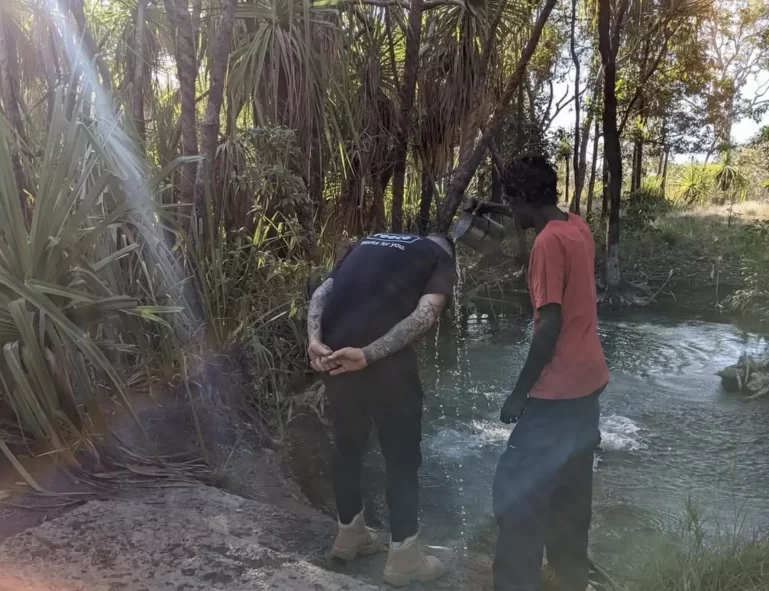
Kakadu National Park in Australia’s Northern Territory is one of the most significant cultural and ecological landscapes in the world. Managed by Traditional Owners and Parks Australia, this UNESCO World Heritage-listed site is home to rich Aboriginal culture, diverse aquatic ecosystems and native wildlife. Despite being a World Heritage site, Kakadu has been at the centre of many controversies over uranium mining, Aboriginal land rights, park management and environmental sustainability. Understanding these issues is important for anyone visiting or supporting Responsible Tourism in this special place.
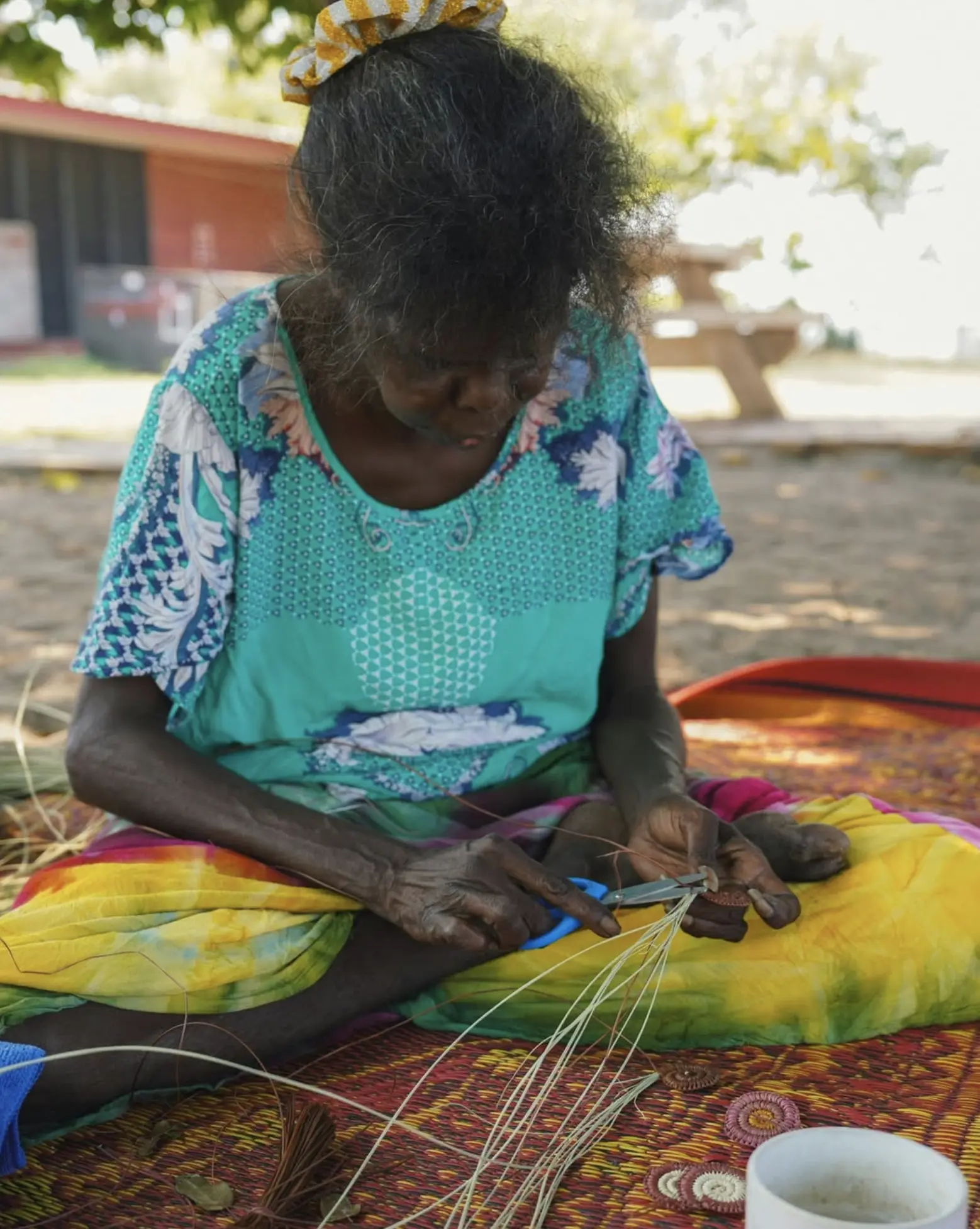
Many visitors explore the park on Kakadu tours, which give insight into the natural and cultural wonders of the park. Whether you’re thinking of a Kakadu day tour or a multi-day adventure, understanding the park’s complex history helps frame a more respectful visit.
Contents
Jabiluka Uranium Mine
Why Was It Controversial?
The most recent controversy in Kakadu’s history is the proposed underground uranium mine at Jabiluka within the park boundaries. Energy Resources of Australia (ERA), linked to Pancontinental Mining, wanted to extract uranium despite opposition from the Mirarr people, the Traditional land owners.
Anti-uranium mining groups, including Aboriginal communities, environmentalists and international observers, have raised concerns about contaminated water, saltwater incursions and damage to Aboriginal sites. The Mirarr people argued that the project was a breach of their ancestral lands, threatening Aboriginal water, food sources like weevil population and valuable food and sacred cultural sites. After years of protests and media scrutiny the mine was placed in voluntary suspension. However, the mining lease remains active and the controversy lives on.
Traditional Ownership and Aboriginal Land Rights
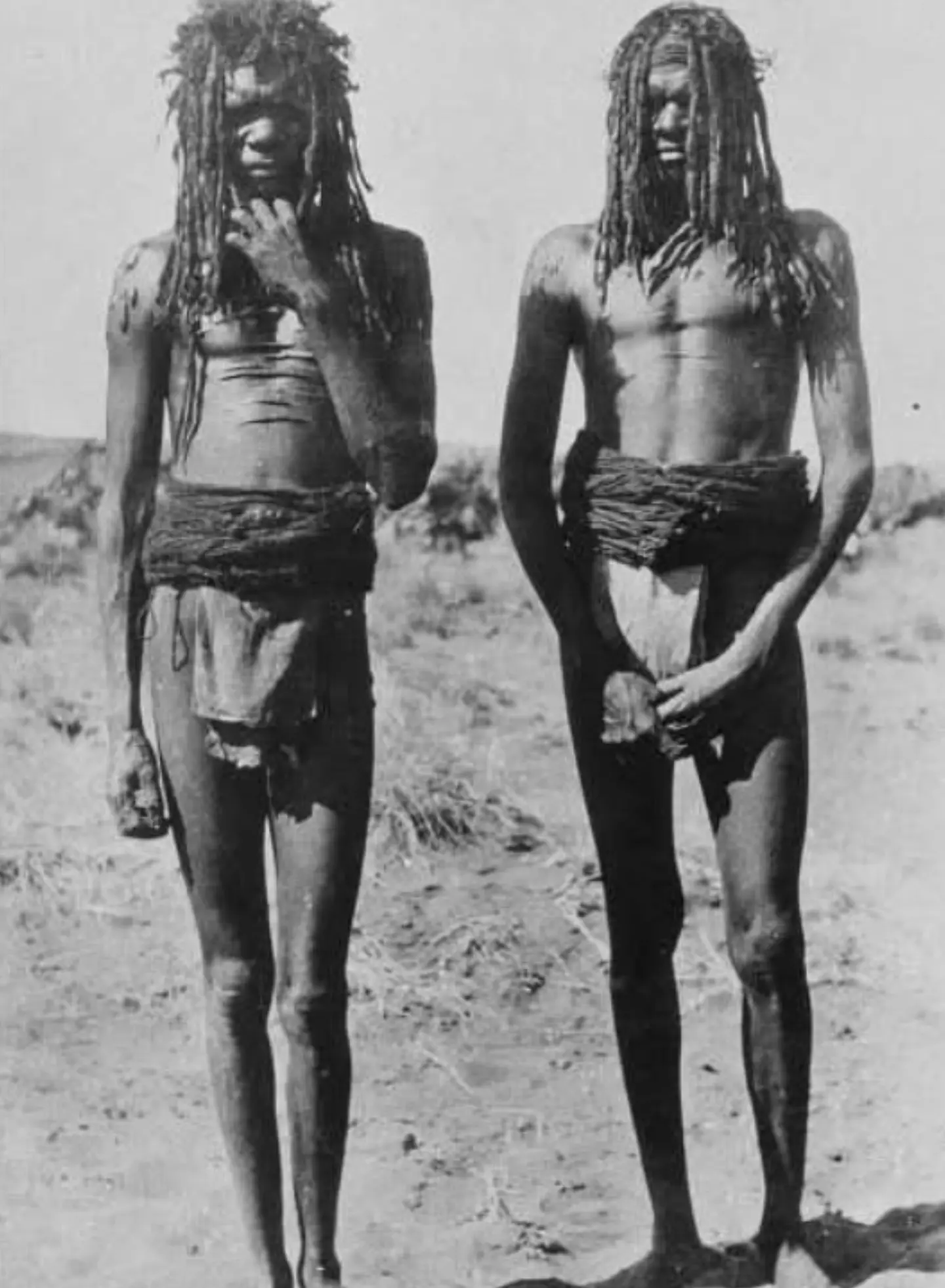
Kakadu’s land is owned by its Traditional Owners, with the Northern Land Council as the legal representative. Under a park lease arrangement, the land was handed back to its Aboriginal land owners, who then leased it to the Australian government as a national park. This model supports joint management with Traditional owner board members, Kakadu Aboriginal Park Rangers, and park staff.

Despite this mode, there are ongoing concerns about non-Aboriginal people dominating decision making. Indigenous leaders and Northern Territory-based Aboriginal groups are pushing for stronger recognition of Aboriginal population needs, more inclusive governance and control over sales revenue and annual rental fees.
The federal government agency, Parks Australia, has expressed deep regret over instances of alleged damage to sacred sites and has held extraordinary sessions with Indigenous communities to address management failures. The goal is to better integrate traditional knowledge into park management and protect Aboriginal land rights and archaeological sites.
Tourism Pressure and Infrastructure Development
As a cornerstone of the Northern Territory’s tourism industry Kakadu gets thousands of visitors each year. Key attractions are Ubirr’s famous lookout, Nourlangie Creek, Magela Creek, and the Alligator Rivers region. But tourism puts pressure on the environment especially in fire sensitive communities and freshwater ecosystem areas.
The building of walking tracks, lodges and roads has been criticised by Traditional Owners who are concerned about erosion, habitat destruction and disruption to cultural practices. Unregulated tourism can harm Cultural sites and native wildlife, including the invasive Asian water buffalo introduced during European settlement.
Visitors are encouraged to book responsible Kakadu day tours that follow conservation guidelines and support Indigenous people. The National Parks and Wildlife Service is working with cultural tour guides and local operators to improve sustainability, but there’s a growing need for stronger park management and trip planning advice that respects Indigenous priorities.

Climate Change and Park Management Challenges
Kakadu is experiencing the impacts of climate change – rising temperatures, saltwater system shifts, and flooding that’s threatening fresh water. Saltwater intrusions into freshwater areas like Magela Creek are a big risk to biodiversity and Aboriginal communities that rely on these areas for food and cultural practices.
The management board, made up of Aboriginal people and park rangers, is working on adaptation strategies. This includes using research findings from scientific studies and Indigenous ecological knowledge. Protecting parks for conservation in the face of extractive industries like uranium mining is a balancing act.
Access, Maintenance and Visitor Experience
Visitors often get stuck during the wet season when roads and walking trails are closed. Inadequate infrastructure, limited facilities and underfunded park staff have impacted the visitor experience.
Some communities in the area have poor connectivity and service delivery, highlighting the inequities between Aboriginal people and non-Aboriginal people. Despite efforts to improve facilities, more investment is needed from the federal government and tourism operators to create high-quality, culturally respectful experiences.
Many travellers opt for a Darwin to Kakadu day trip to see the main attractions in one day. These tours often visit the iconic spots and provide valuable context from expert guides, so it’s a great option if you’re short on time.

Why This Matters for Travellers
Knowing this helps travellers make informed, ethical decisions on Kakadu tours. By supporting Indigenous people, engaging with cultural guides and learning about the history of uranium mining, you’re contributing to a more sustainable and inclusive future for one of Australia’s most special parks.
Whether you’re exploring Pine Creek, crossing the Adelaide River or joining a cultural tour, being aware of these issues makes your travel experience better and respects the ongoing connection Aboriginal people have to their Country. If you want to immerse yourself in Kakadu’s beauty and history, consider joining Kakadu tour from local operators.
Conclusion
Kakadu’s controversies reflect the bigger picture of conservation, development and Indigenous sovereignty. From Uranium Mines to park access and climate change, the park is the focal point for discussions on how to manage Aboriginal land rights, environmental protection and tourism.
As Kakadu continues to evolve under co-management, travellers can be part of its healing and preservation. Supporting parks for conservation, respecting Aboriginal sites and learning from Traditional Owners ensures Kakadu remains a place of deep cultural and ecological significance.
FAQ
What is the Jabiluka uranium mining controversy about?
The proposed underground Uranium mining project at Jabiluka sparked national and international opposition due to its environmental impacts and disregard for the Traditional Owners’ wishes.
Who manages Kakadu National Park?
Kakadu is co-managed by Traditional Owners, represented by the Northern Land Council and Parks Australia, a federal government agency.
How has climate change affected Kakadu?
Climate change has brought saltwater incursions, flooding and ecological shifts to freshwater ecosystems and traditional Aboriginal food sources.
Can tourists visit controversial sites?
Yes, but with respect. Follow the guidelines, use local cultural tour guides and don’t damage Aboriginal sites.
Why is understanding Aboriginal land rights important for travellers?
Respecting Aboriginal land rights means ethical tourism and supporting the Aboriginal communities who care for the land. It also adds depth to your understanding of Kakadu’s rich cultural history.
