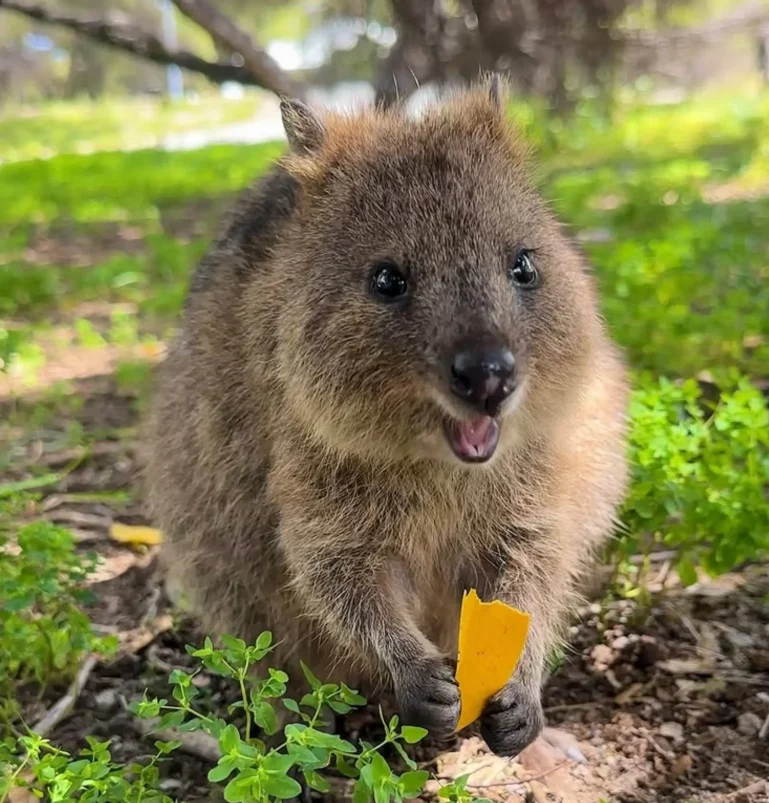
What is the best way to see quokkas on Rottnest Island without the crowds? That’s a question I get asked every time I’m stepping off the ferry back to Fremantle port, with dusty boots from riding the bike trails and a camera full of snaps of those cheeky little faces. As someone who’s spent years exploring this patch of sand in Western Australia, I reckon the trick is actually about timing, not just luck. And it’s not just a matter of timing – it’s knowing the right tracks and the places where you’ll avoid the chaos of Thomson Bay and the Ferry terminal, where the Rottnest Express, SeaLink Rottnest, and Rottnest Ferries all drop off.
What you’re about to get is a straight-talking, boots-on-the-ground guide to meeting these adorable wild animals – and doing it without feeling like you’re in line at the Rottnest Bakery.
Contents
- 1 The Game Plan That Actually Works
- 2 Dawn Moves: Why Early Mornings Win Every Time
- 3 Target The Inland Tracks, Not the Tourist Loops
- 4 Skip Lunchtime — It’s Hot, Busy, And The Quokkas Know It
- 5 Dusk Deliveries: Perfect Light And Relaxed Wildlife
- 6 The Quiet Zones Worth the Pedal (Or Walk)
- 7 The Respectful Way To Photograph Quokkas
- 8 Be Prepared Like A Seasoned Traveller
- 9 My Best Quokka Day — An Example You Can Copy
- 10 Seasonal Realities That Change Everything
- 11 Safety, Access And Cultural Respect
- 12 Before You Start Packing Your Bags
- 13 FAQ
The Game Plan That Actually Works
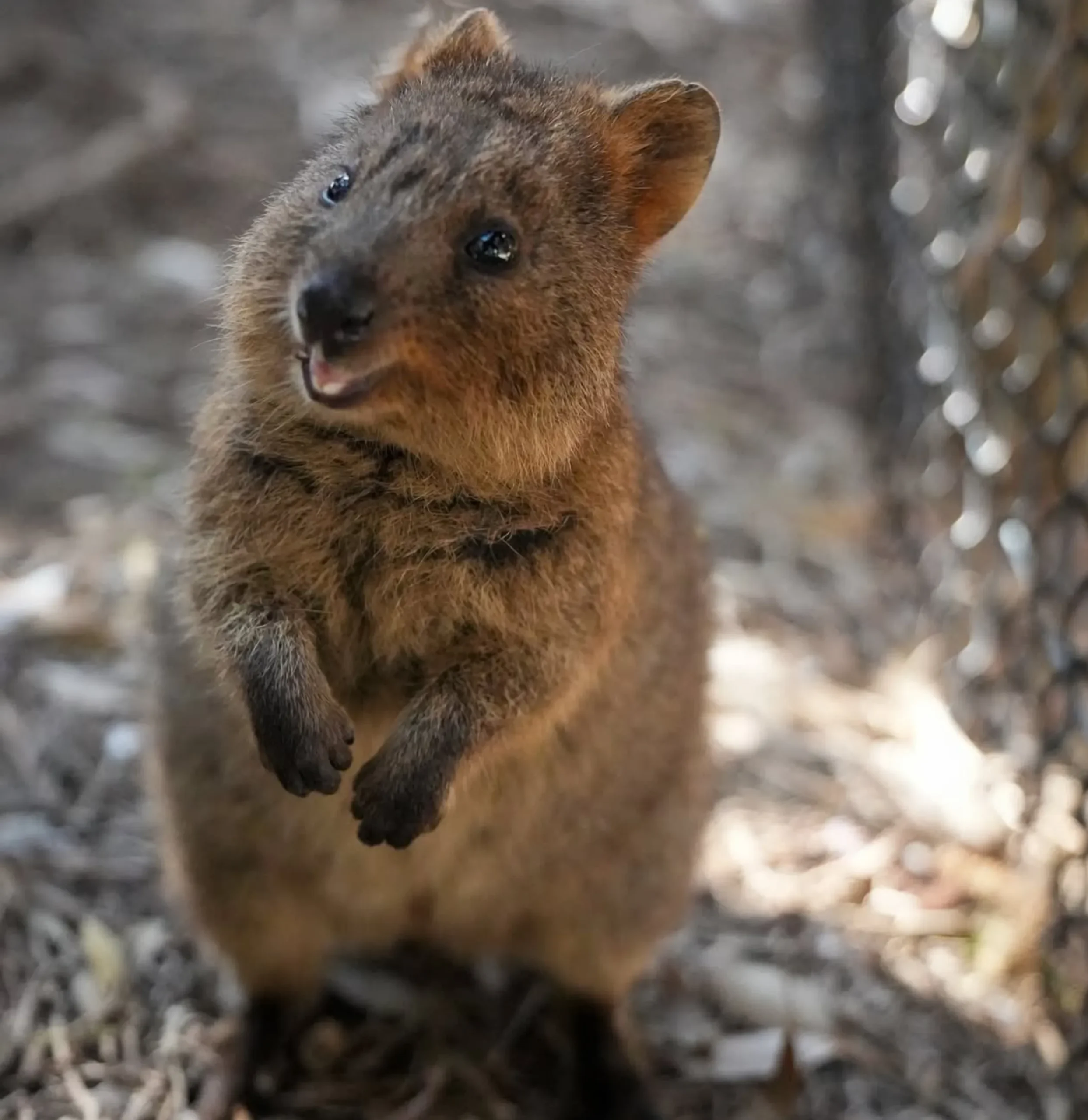
Most visitors rush to the the Basin and the jetty area the moment the ferry docks, and the quokkas can just about roll their eyes at the sight of all the commotion. But if you want some space, some soft light, and a relaxed encounter with these little guys, you need to head for the spots that the day trippers tend to avoid. Out on Rotto, that usually means taking tracks that wind through the salt lakes like Lake Baghdad, or pushing on down Parker Point Road and away from the Settlement.
Some people I meet on their travels tell me they’ve booked with Autopia Tours, who often recommend catching an early ferry to get ahead of the crowds. And that one simple difference – turning up earlier – can completely change the wildlife experience for the better.
Dawn Moves: Why Early Mornings Win Every Time
If you can drag yourself out of bed before the party gets going, you’ll be golden. Quokkas are crepuscular, which means they love the dawn and dusk hours when the island is still quiet. At sunrise, the place is still as calm as a pancake, and you can even hear your bike tyres crunching on the gravel as you ride to Pinky Beach, Little Salmon Bay, or the shoulders behind the Basin.
Perks of getting an early start:
- The cool air is still around – before the Western sun starts to get too hot
- No crowds from the Rottnest Express morning ferry – yet
- You might even spot a few calm quokkas munching on leaves near the old Colebatch Avenue cottages
My go-to spot? Ride straight past the Bathurst Lighthouse and head for the dunes behind Pinky Beach, or keep going inland to the Olivier Hill woodlands.
Target The Inland Tracks, Not the Tourist Loops
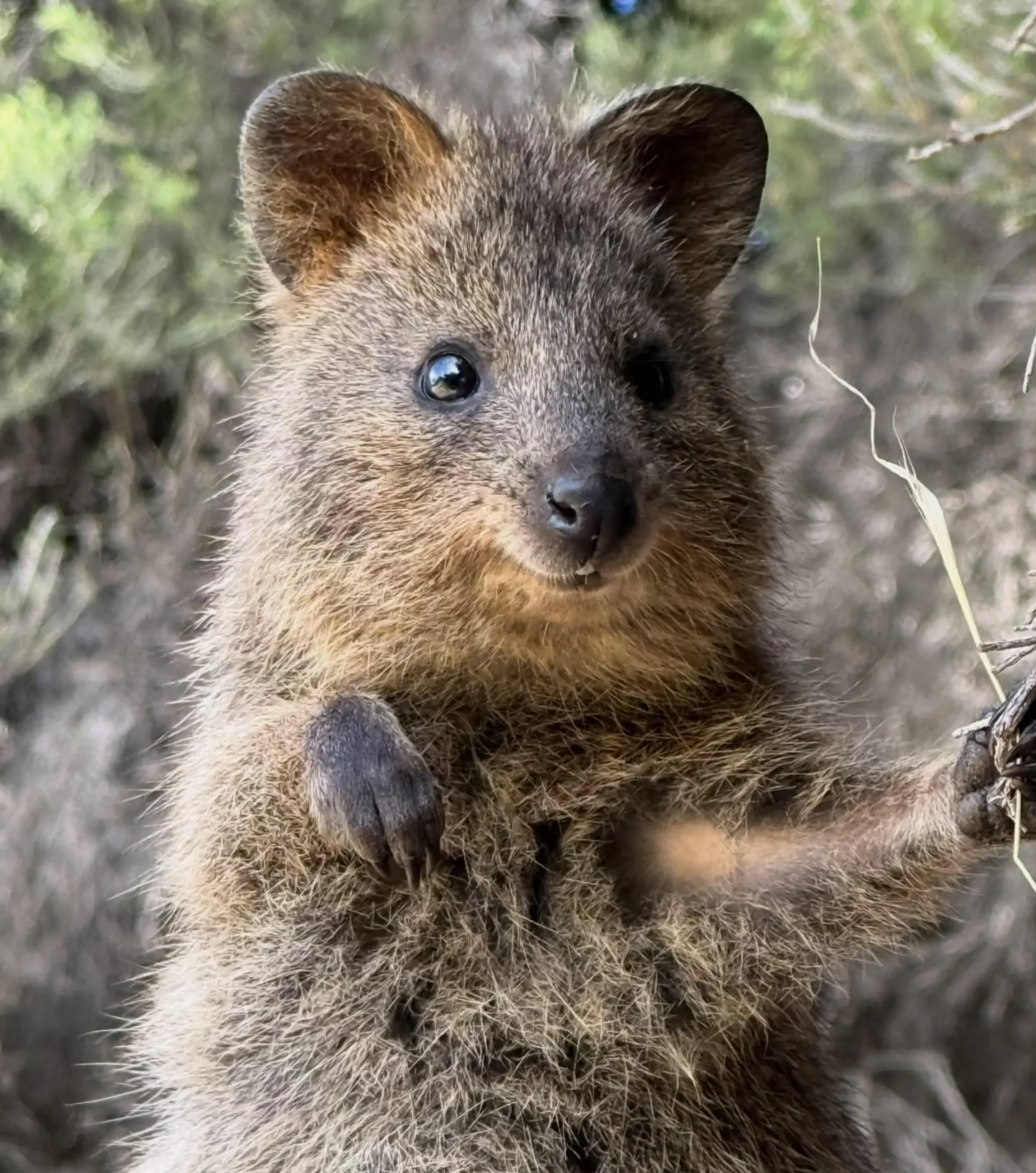
Everyone heads for the beaches, which is great news for you, because the woodland areas on the inner island, around Oliver Hill and the Gabbi Karniny Bidi trail, are where you’re more likely to find the quieter mobs of quokkas. Follow the bike trail past the salt lakes on the way to the Wadjemup Lighthouse, and you’ll see the quokkas behaving naturally – rather than rummaging through backpacks or bags.
Why these spots are so good:
- Far fewer scooters or Segways are behavezooming past.
- Quokkas behave naturally, especially if there’s a baby quokka in the mother’s pouch.
- You can find some shaded spots where they can forage without a crowd of people staring at them.
- Just stay on the tracks – this landscape is fragile, and we want to take care of it.
Skip Lunchtime — It’s Hot, Busy, And The Quokkas Know It
People just pour into the bakery at midday, and if you want to see quokkas expertly dodging human madness – that’s the place to be. But peaceful quokka spotting? Forget about it.
As the morning wears on, the heat clings to Wadjemup like a heavy blanket – the kind that makes your water taste lukewarm & makes your sunscreen feel useless. Quokkas are pretty quick to make themselves scarce near the inland dunes, the scrub near Narrow Neck, or those cool spots near Henrietta Rocks.
The trick to finding quokkas:
Just remember, if the sun’s blazing, the quokkas are probably in hiding.
Dusk Deliveries: Perfect Light And Relaxed Wildlife
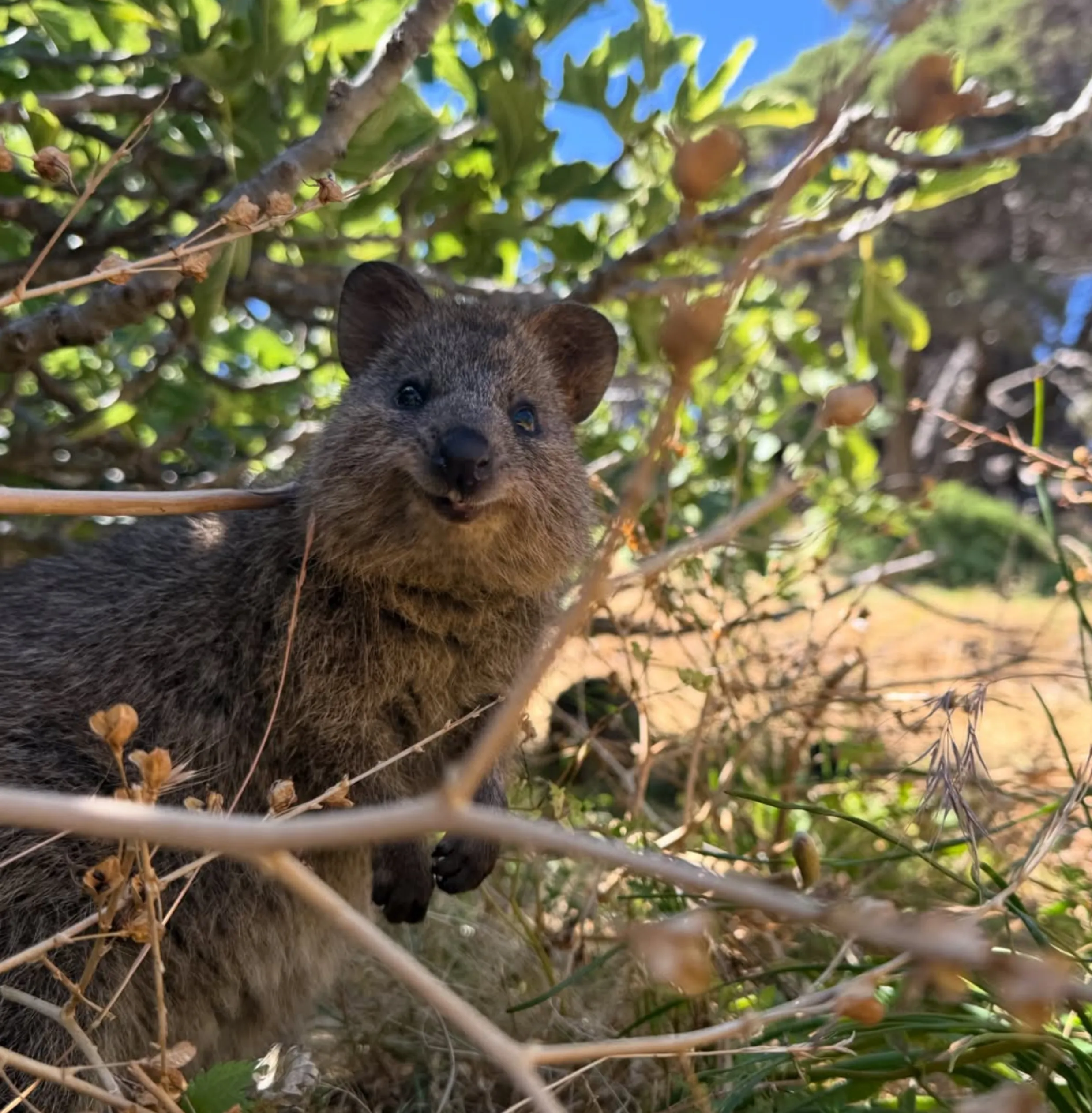
Missed sunrise? Don’t worry – dusk is pretty special. The crowds start to clear out as the last SeaLink Rottnest ferry heads back to the Swan River, and the island comes to life. Kingstown Barracks, on inland tracks near Discovery Rottnest Island, and even strolling around older places like the Lodge Wadjemup.
Top reasons dusk is the perfect time to visit:
- The softer light makes for honest, warm wildlife pics that don’t look staged
- The cooler temps bring the quokkas out of hiding
- It’s nice and quiet with the peaceful tracks leading you back towards Thompson Bay
Don’t forget to bring a headlamp though, because once the sun drops behind Cape Vlamingh out near West End, its dark pretty quickly.
The Quiet Zones Worth the Pedal (Or Walk)
Here are your insider tips on Rottnest’s low-traffic quokka hangouts. These aren’t secrets or anything – just places that you probably won’t get to with a Pedal & Flipper hire bike.
Inland Quokka Hotspots Table
| Area | Why It’s Good | Distance From Settlement | What I Usually See |
|---|---|---|---|
| Oliver Hill Woodlands | High quokka density, minimal foot traffic | ~4 km | Foraging mobs, mothers with joeys |
| Parker Point Inland Bush | Less beach traffic, shady scrub | ~3 km | Lone quokkas near Parker Point dunes |
| Kingstown Barracks Precinct | Great at dusk once campers settle | ~1 km | Calm quokkas and occasional baby quokka sightings |
| The Basin Back Tracks | Close but quiet at sunrise | <1 km | Early-morning feeders away from Rottnest Bakery crowds |
Parks and Wildlife data puts the number of quokkas on the island at a pretty stable 10,000-12,000, and that can vary depending on how much rain the island gets and how the vegetation is doing. If you’re looking for a more natural experience, you should head to the inland areas, especially around the salt lakes – that’s where you’re most likely to have a really special time with the quokkas.
The Respectful Way To Photograph Quokkas
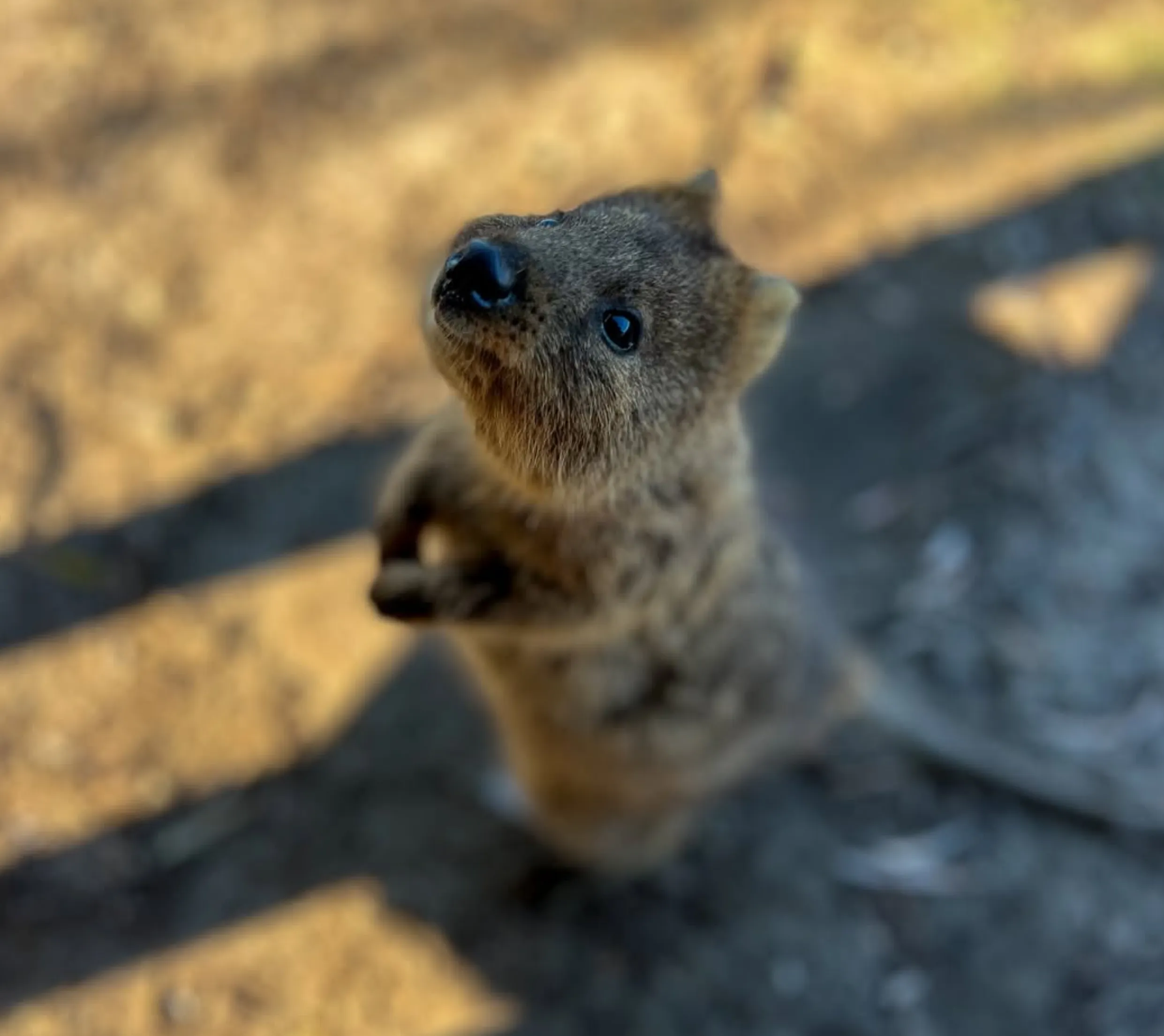
Now, I get why the quokka selfie is a thing – it’s iconic and all that. But these little guys deserve to be treated with a bit of respect – no flash photos, no throwing them any old snack in the hopes they’ll pose.
Here’s how I take my photos without stressing the animals out:
- Get at least a metre back – modern camera tech makes it easy.
- Just let them come to you – quokkas are pretty curious, but they are wild animals at the end of the day.
- No dodgy food bribes – they evolved in a place where their biggest danger is being swooped by a bird of prey, not being fed jam doughnuts.
- Don’t block their exit routes – especially if you spot a mum with a joey in her pouch.
- When you hang back and give the quokkas some space, you actually get better shots – the kind that look totally natural, not at all staged.
Be Prepared Like A Seasoned Traveller
Even though Rotto is right next to the mainland, it’s still a bit of a way from everything, so make sure you bring the essentials. Especially if you’re heading to the quieter bits of the Island Ride track near City of York Bay, Salmon Bay or Cathedral Rock.
Make sure you pack:
- A couple of litres of water
- A hat that won’t blow straight off in the coastal gusts
- Sunscreen
- A bike lock (especially if you’re using the ferry and bike combo deal)
- A camera or phone
- Snacks – but not the kind you feed to quokkas
If you’re staying overnight at Discovery Parks, or one of the glamping tents or heritage cottages, bring a jumper – the coastal breezes can cut through you pretty fast.
My Best Quokka Day — An Example You Can Copy
Last March, after a week of heatwaves, I jumped on the 7 am ferry with a lukewarm coffee and headed straight for the salt lakes. I rode past Pink Lake and followed the inland trail towards Oliver Hill.
There wasn’t another soul in sight.
Just the rising sun and a bunch of quokkas munching away under a melaleuca tree. One mum had a joey half-peeking out of her pouch – a proper wildlife encounter you won’t get near Hotel Rottnest or the crowds at Samphire Rottnest.
That’s what people come to Wadjemup for – even if they don’t quite realise it yet. A proper wildlife encounter.
Seasonal Realities That Change Everything
Rottnest is a whole different island at different times of the year. If you want to have a peaceful time with the wildlife, you need to know the seasons.
Summer (Dec – Feb)
Blisteringly hot – midday is basically impossible. Stick to early morning at Salmon Point, or Little Salmon Bay, or follow a shaded track.
Autumn (Mar – May)
I reckon this is the best time of year – mild days, nice breeze, and a lot fewer crowds.
Winter (Jun – Aug)
It’s a pretty low-key time on the island – fewer crowds, and the New Zealand Fur Seals start to haul out near West End and Cape Vlamingh. Which is pretty cool.
Spring (Sep – Nov)
The wildflowers around the Wadjemup Lighthouse start to bloom, and it’s one of the prettiest times of year – just watch out for the crowds on the bush tracks.
Safety, Access And Cultural Respect
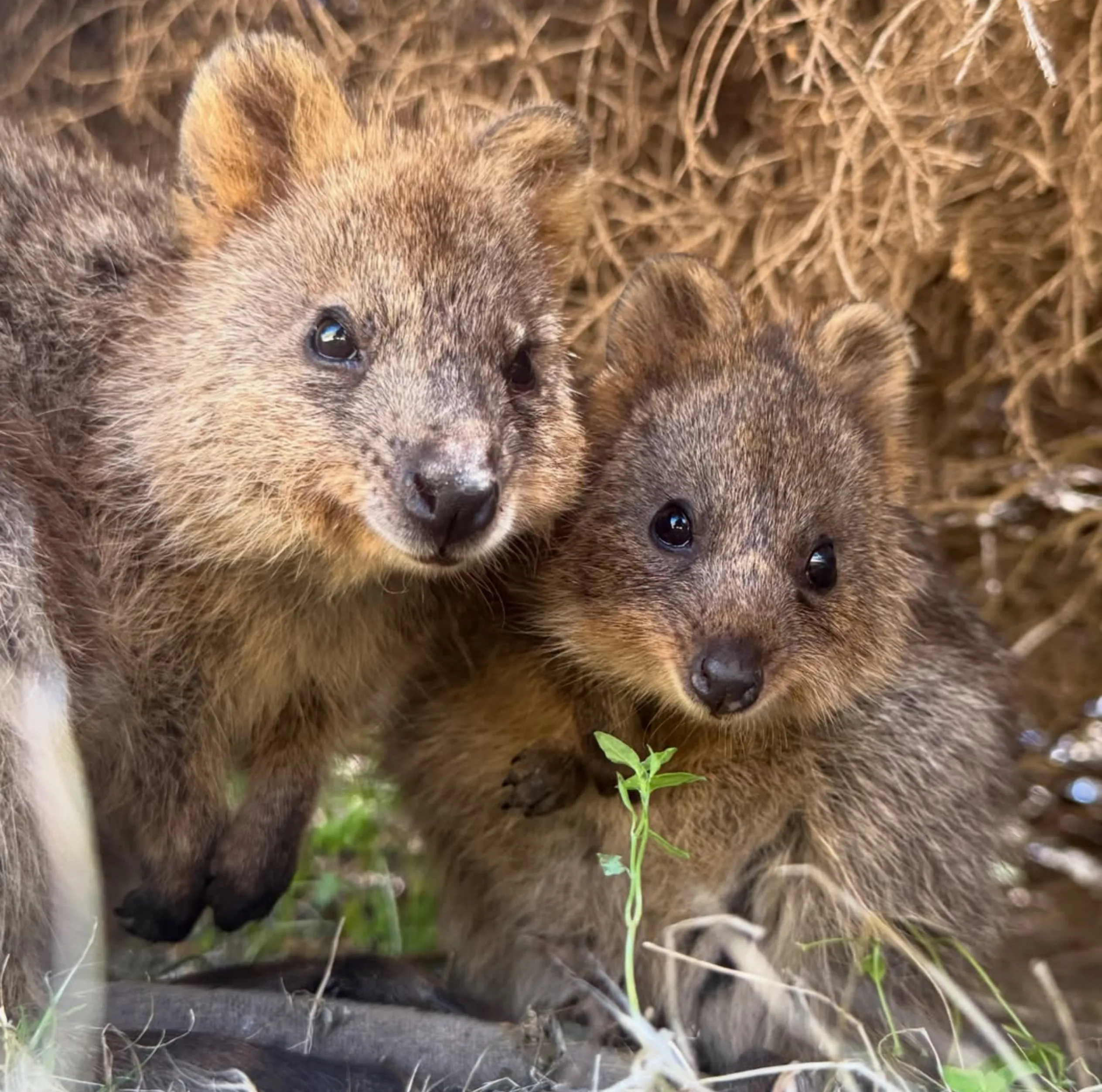
Rottnest Island, also known as Wadjemup, is a place of great cultural importance to the Whadjuk Noongar people. If you do decide to venture inland, do take a glance at the signs & stick to the paths that are well marked – or you might end up getting lost. The Wadjemup Museum, on the other hand, is a great place to get some context & learn more about the maritime history and the stories that have been passed down.
- Environmental rules are there for a reason – make sure you:
- Don’t feed the wildlife, for their own good
- Steer clear of the dunes unless you’re on a designated path
- Be gentle with the wildlife, especially the mums with their joeys in tow
- Don’t leave any rubbish behind – take it with you when you leave
Before You Start Packing Your Bags
Want to see quokkas on Rottnest Island without the tourist hordes? Well, it’s not about finding some secret spot – more about getting the timing right, behaving yourself & heading off the beaten track. Whether you’re on a Perth day tours, have arranged your own ferry tickets, or you’re letting someone else handle the logistics, the part of the island that most people miss is where the real magic happens.
FAQ
Where can I see quokkas without the crowds?
If you’re looking to avoid the crowds, then try the inland tracks around Oliver Hill, Gabbi Karniny Bidi, Parker Point inland bush and between the salt lakes.
Are quokkas a threat, or do they get aggressive?
No – they’re as gentle as can be. But, of course, they are still wild animals
What time of day is best for seeing quokkas?
Early morning & late evening near places like The Basin, Discovery Rottnest Island or out in the scrub.
How do I get there?
Use Rottnest Express, SeaLink Rottnest, or Rottnest Ferries. There are also several scenic options, including Rottnest Airtaxi, Swan River Seaplanes, Corsaire Aviation, and OZWest Aviation.
Should I stay overnight to avoid the crowds?
Absolutely – especially if you can get a spot at Discovery Parks, Heritage Cottages or Samphire Rottnest. Once the ferries stop, the island is much quieter. Consider stay overnight if you can.
